How to Use Sugargoo Spreadsheet in 2026 — Complete Walkthrough
This is a neutral, source-checked walkthrough of how the Sugargoo spreadsheet workflow actually functions in 2026. It aggregates publicly verifiable information about how China buying agents operate and points you to primary sources for every factual claim. It contains no personal order history, no invented prices, and no self-assigned ratings — where a number depends on your cart, your route, or the current customs regime, the guide tells you to check it yourself rather than quoting a figure we cannot verify.
What is the Sugargoo spreadsheet?
A "Sugargoo spreadsheet" is a community-maintained list of product links (often Taobao, Weidian or 1688 items) that shoppers paste into the Sugargoo agent to buy. Sugargoo itself is the buying agent. As reseller-education sites such as Repsheet explain, a buying agent purchases the item from the Chinese marketplace on your behalf, receives it into a domestic warehouse, photographs it for quality control, and then forwards it internationally in a consolidated parcel.
It is worth understanding that agents are largely interchangeable middlemen. Directories like JadeShip list Sugargoo alongside Kakobuy, Joyagoo, ACBuy, Mulebuy, AllChinaBuy, Hoobuy, Superbuy, CSSBuy, Oopbuy, Loongbuy and others — the same spreadsheet link will work across most of them. The agent you pick mainly changes the fee structure, the shipping-line options and the user interface, not the underlying product.
Step-by-step: using the Sugargoo spreadsheet
Step 1 — Open the spreadsheet. Locate the spreadsheet you want to shop from and click through to an item. The link encodes the marketplace product ID, which the agent reads when you paste it.
Step 2 — Create your Sugargoo account. Register on the official site, sugargoo.com. Confirm you are on the genuine domain before entering any payment details; lookalike domains are common in this niche.
Step 3 — Forward the item link. Paste the product URL into Sugargoo's search/submit field, then select the correct size, colour and quantity before adding it to your cart. Double-check the variant, because the agent buys exactly what the link and options specify.
Step 4 — Pay, QC, then ship. Fund the purchase, wait for the item to arrive at the warehouse, review the QC photos, and only then pay the international shipping invoice. You control the timing of the final ship-out, which is what lets you consolidate multiple items into one parcel.
Fees, coupons and hidden costs
Sugargoo, like most agents, charges a service commission plus payment-processor fees on top of the item price and the international shipping invoice. Rather than quote a figure here, check the current service fee inside your own Sugargoo account at checkout, because agents adjust these. For context, an industry survey by HowToTao found agent service fees generally fall in a 0–10% band (some agents at 0–5%, others at a flat 10%). Treat any "verified" coupon code, referral discount or fixed fee you see quoted in older articles with caution — promotions expire, and this guide does not publish codes it cannot confirm are live.
Shipping cost and the 2025 customs change you must know
The single biggest cost variable in 2026 is no longer the agent's commission — it is duties. The United States ended its de minimis duty-free exemption for low-value parcels. A White House fact sheet closed the exemption for China-origin shipments effective 2 May 2025, and a follow-up presidential action suspended duty-free de minimis treatment for shipments from all countries effective 29 August 2025, "regardless of value." The scale of what changed is large: the same fact sheet notes CBP processes over four million de minimis shipments daily, and FY2024 volume was roughly 1.36 billion parcels at an average value near $45.
The practical takeaway: any older guide claiming a sub-$800 parcel slips into the US duty-free is now outdated and wrong. Your 2026 budget should assume import duties and fees apply on top of the agent's shipping quote. Weight, volumetric dimensions and the courier line you choose still drive the freight portion, so get the live quote from Sugargoo's shipping calculator after QC rather than trusting a fixed per-kilo rate from an older post.
QC photos: what to check
When your item reaches the warehouse, Sugargoo's QC photos are your last checkpoint before paying for shipping. Inspect for: correct size, colour and variant against what you ordered; stitching, glue lines and seams; logo placement and font accuracy; hardware (zippers, buckles) function; sole or print alignment on footwear; and any visible defects, stains or damage. If something looks wrong, raise it before authorising ship-out — that is the leverage point the QC step gives you.
Sugargoo compared to other agents
Compare agents on total landed cost, not on the headline commission. As NewBuyingAgent argues, a low service fee can be offset by higher shipping markups or worse line pricing, so the meaningful comparison is item price plus commission plus payment fees plus international shipping plus duties — the all-in number at your door. Because the spreadsheet link is portable across Sugargoo, Kakobuy, Hoobuy, Superbuy and the rest, it is reasonable to price the same cart through two or three agents before committing.
Sugargoo reputation (third-party)
For independent reputation signals, consult Sugargoo's public Trustpilot profile rather than any rating an SEO article assigns: trustpilot.com/review/sugargoo.com. Open it to see the current TrustScore and, more usefully, read a spread of recent reviews — both the 5-star and the 1-star ones — to gauge live issues such as parcel delays, customer-support responsiveness or dispute handling. We deliberately do not quote a score here because it changes over time and we could not verify a specific number.
Why people use agents (market context)
Cross-border e-commerce is a structural trend, not a fad: market.us estimates the global cross-border e-commerce market at about USD 2.2 trillion in 2024, projected toward USD 18.2 trillion by 2034. A separate driver is the replica and counterfeit trade many spreadsheet shoppers participate in; the OECD reported that global trade in fake goods reached USD 467 billion, with footwear a notable category per RunRepeat's analysis of the data. Buyers should be aware that counterfeit goods carry legal and customs-seizure risk in many destinations.
Pros and cons
Pros: access to Chinese marketplaces that do not ship internationally; a QC photo checkpoint before you pay freight; parcel consolidation to spread shipping cost; spreadsheet links portable across agents.
Cons: service commission and payment fees add up; international shipping is the dominant cost and is now compounded by 2025 customs changes; QC is a photo check, not a guarantee; counterfeit purchases carry seizure and legal risk; promotions and fees change without notice.
FAQ
Will I pay import duties in 2026? Most likely yes. The US de minimis exemption ended in 2025 for China-origin shipments and was then suspended for all countries, so low-value parcels are no longer duty-free. Budget for duties and fees.
Is the spreadsheet link tied only to Sugargoo? No. The same product link generally works across most major agents listed on directories like JadeShip; you can price the same cart through several.
What does the agent's service fee cover? The commission covers the agent purchasing, receiving, inspecting and storing your item; payment-processor fees and international shipping are separate line items.
How do I judge if Sugargoo is reliable? Read its live Trustpilot profile, focusing on recent reviews across the rating spread, and verify you are transacting on the official sugargoo.com domain.
Bottom line
Using the Sugargoo spreadsheet is mechanically simple: open a link, register, forward the item, then pay-QC-ship. The decision that actually matters in 2026 is cost, and that calculus has shifted — with de minimis gone, total landed cost (item + commission + payment fees + shipping + duties) is what to compare across agents, not the commission alone. Verify current fees inside the platform, check the live Trustpilot profile yourself, and treat any older article promising duty-free delivery as out of date.
Sources
- Sugargoo official site
- Sugargoo Trustpilot profile
- Repsheet — how buying agents work
- JadeShip — supported-agent directory
- HowToTao — agent service-fee comparison
- White House — de minimis closed for China-origin shipments
- White House — de minimis suspended for all countries
- Red Stag Fulfillment — de minimis parcel volume (CBP FY2024)
- NewBuyingAgent — compare on total landed cost
- market.us — cross-border e-commerce market size
- OECD — global trade in fake goods USD 467 billion
- RunRepeat — counterfeit footwear statistics
Popular oopbuy Spreadsheet Products

Acne Studios Stockholm 1996 Long Sleeve Tee - Ice Blue Dip-Dye - 136490

Nike Air More Uptempo '96 OG White Black Bold Type - 136759
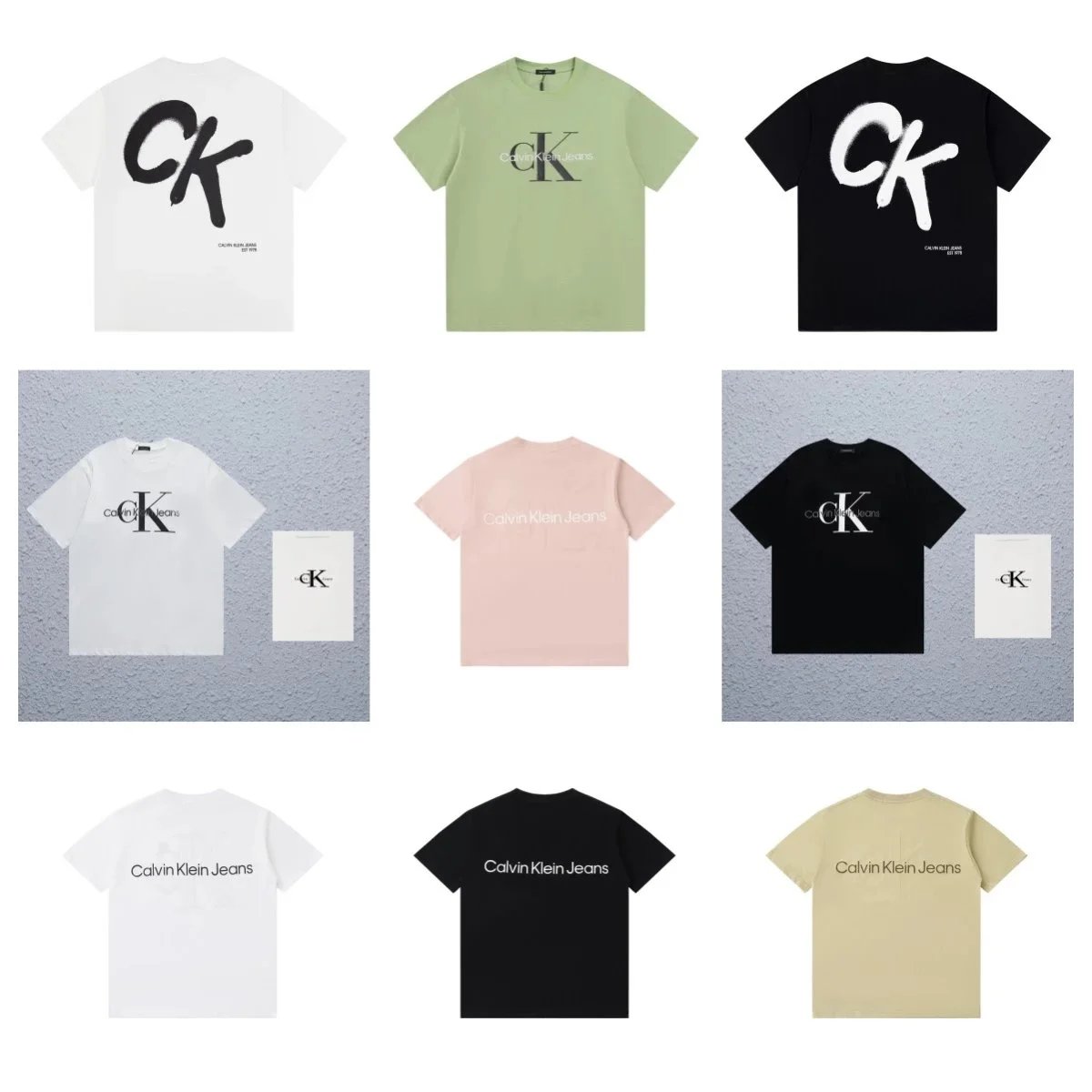
Calvin Klein Jeans CK Logo Graphic T-Shirt - White Brushstroke Print - 135238

Supreme Margiela Skull Hooded Zip-Up Sweatshirt Gray - 136550
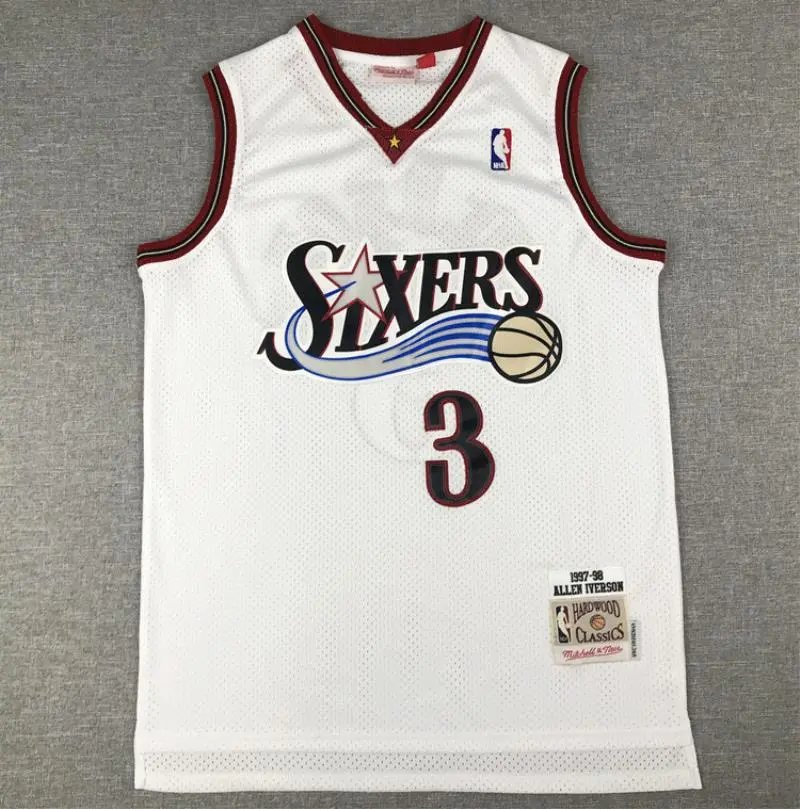
Mitchell & Ness 1997-98 Allen Iverson Philadelphia 76ers White Jersey - 135405
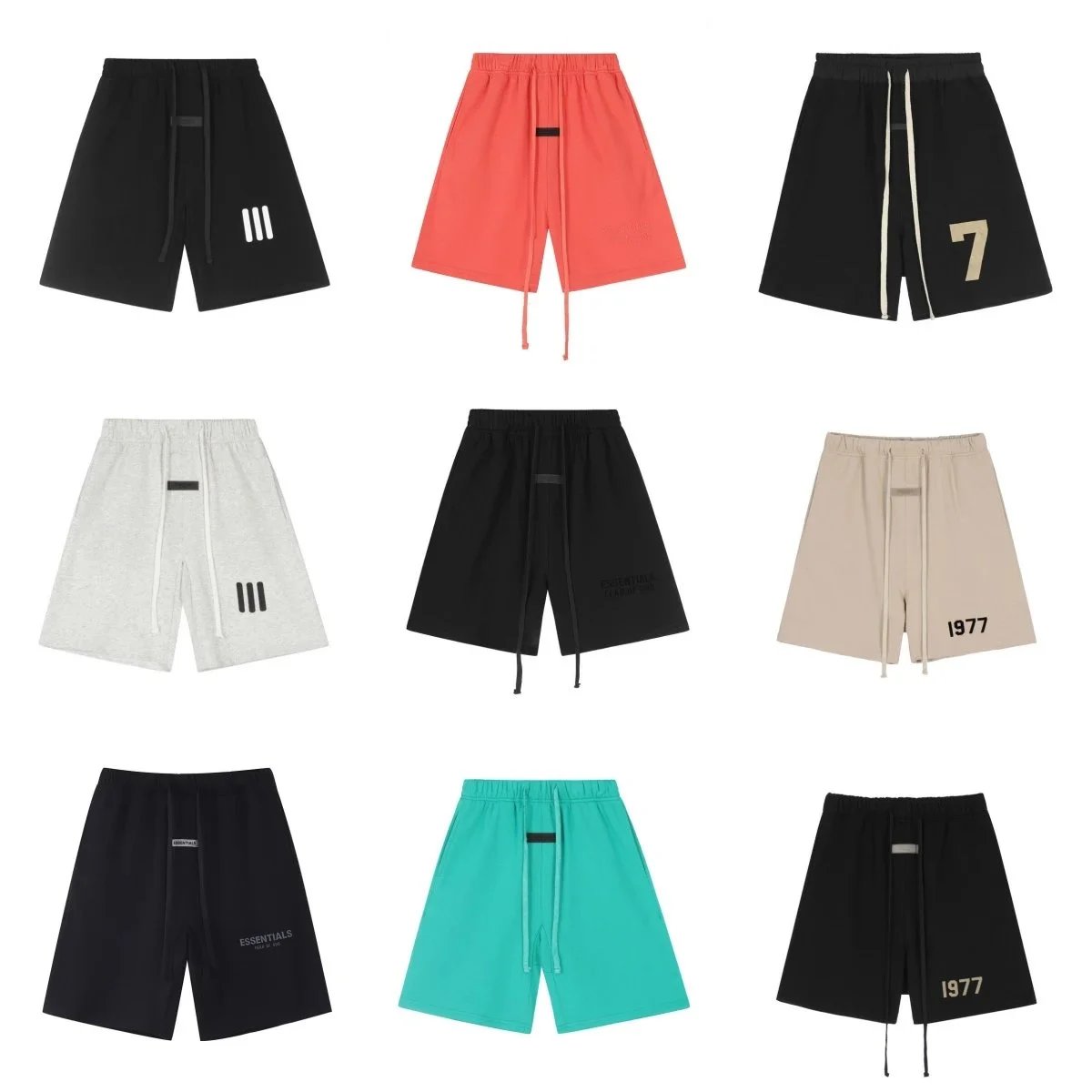
Fear of God Essentials 1977 Logo Shorts - Black Gold - 135694
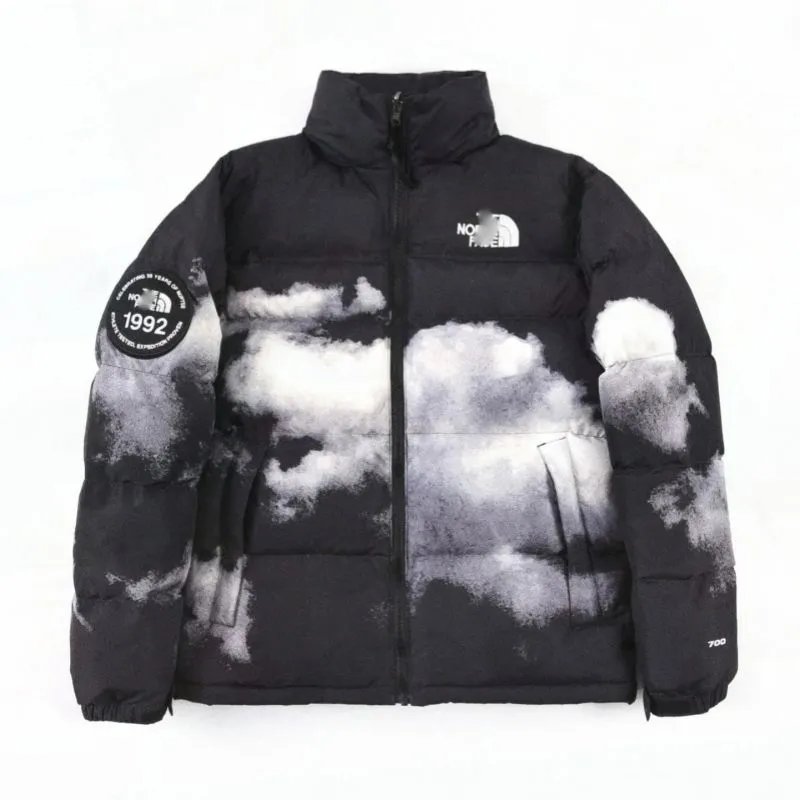
The North Face 1992 Nuptse Cloud Print Black Puffer Jacket - 136796