How Chinese Shopping Agents Work in 2026 (Full Explainer)

If you have ever tried to buy directly from a Chinese marketplace, you already know the wall: most stores on Taobao, Weidian and 1688 do not ship abroad, do not accept foreign cards, and run entirely in Chinese. Understanding how shopping agents work solves all three problems at once. A shopping agent is a paid intermediary that places the order for you, receives the goods at a domestic warehouse, and then forwards them internationally. This guide explains the full 2026 agent buying process end to end, the fees you actually pay, and the checkpoints the community recommends so you are not surprised at any stage.
What is a shopping agent?
To answer the literal question: what is a shopping agent is a company (and a website/app) that acts as your purchasing proxy inside China. You send it a product link or paste one in; it pays the Chinese seller in RMB; the seller ships to the agent's warehouse, not to you. Your order then sits in that warehouse until you decide to ship it home. The agent charges for this in two layers: a per-item service margin and the later international shipping cost. That separation is the single most important concept in how the model works, because it is what lets you batch many small purchases into one cheaper parcel.
This is closely related to, but not identical to, the older daigou trade. Below we cover how daigou works versus the modern self-serve agent platforms most buyers use in 2026.
How daigou works vs. modern agent platforms
Traditional daigou (代购, literally "buy on behalf") was a person — often a student or traveler — who hand-bought items and mailed them to clients, charging a flat commission. It was relationship-based and opaque on pricing. Modern agent platforms industrialized that idea: instead of trusting one individual, you use a dashboard where the quote, the warehouse photos, the shipping options and the tracking are all visible. The principle is the same (someone buys for you), but the 2026 version is auditable, supports many couriers, and scales to thousands of parcels a day. When people say "daigou" today they usually just mean using one of these agent platforms.
How does the agent buying process work, step by step?
The agent buying process is consistent across nearly every major platform. Here are the stages every buyer moves through.
- Find and submit the link. You locate a product on Taobao, Weidian or 1688 and paste its URL (or a community-curated entry) into the agent. Many buyers start from an curated spreadsheet of vetted items rather than searching raw Chinese stores, because it removes the language and trust guesswork.
- Pay the agent up front. You pre-pay the item cost plus a small domestic fee. The agent then buys it in RMB from the seller. You are paying the platform, not the Chinese store directly.
- Seller ships to the warehouse. The item travels domestically (free or near-free inside China) to the agent's warehouse, usually in Guangdong. This takes a few days.
- Warehouse intake and QC. Staff receive the parcel, open it, and upload quality-control photos so you can confirm size, color and condition before it leaves China. This QC step is where buyers catch wrong items and defects.
- Storage. Your item now waits in your personal warehouse area, typically free for a generous window (often 60–180 days depending on platform).
- Consolidation. When you have several items, you submit them together. The warehouse repacks everything into one box, removing excess packaging to cut weight and volume.
- Choose a shipping line and pay shipping. You pick a courier/line based on price, speed and what it allows. The agent weighs and measures the consolidated box and quotes the final international shipping fee, which you pay now.
- Customs and delivery. The parcel clears customs in your country (where duty/VAT may apply) and a local courier delivers it.
What fees do shopping agents charge in 2026?
Buyers are most often surprised by fees, so it helps to see them grouped. There is no single "agent fee" — there are several small ones plus the big variable: shipping.
| Fee | When it applies | Typical scale (general reference, not an offer) |
|---|---|---|
| Item cost | At purchase | The Chinese seller's RMB price, converted to your currency |
| Service / handling fee | Per item at purchase | Often a small flat fee or low percentage; some 2026 platforms advertise 0% |
| Storage fee | Only after the free window | Free for a set period, then a small daily charge |
| Consolidation / repack | Before shipping | Sometimes free, sometimes a small per-box fee |
| International shipping | The biggest variable | Priced by weight and line; usually the largest single cost |
| Customs duty / VAT | On arrival | Set by your country, not the agent; varies widely |
| Payment processing | At checkout/top-up | Small percentage on some payment methods |
The headline lesson for 2026: the service fee is rarely where the money goes — international shipping is. A platform advertising a "0% commission" can still be more expensive overall if its shipping lines are pricier, so always compare the shipping quote on the consolidated box, not the sign-up banner.
Why warehousing and consolidation save the most money
Consolidation is the lever that makes the agent model economical. Couriers price by chargeable weight (the greater of actual weight or volumetric weight). Shipping five separate small boxes means paying five base charges and five lots of padding. Consolidating them into one repacked box removes duplicate packaging, lowers volumetric weight, and triggers only one base charge. The free storage window exists precisely so you can wait, accumulate a haul, and ship once. Buyers who skip consolidation routinely overpay, which is the most common complaint the community flags for newcomers.
A worked example of the agent buying process
How do customs and taxes fit in?
Customs is the one stage the agent does not control. When your consolidated parcel enters your country, the local authority may assess duty and/or VAT based on the declared value, the product category, and your country's de minimis threshold (the value below which small parcels are not taxed). Agents typically let you set how the parcel is declared, but buyers should declare honestly — under-declaration risks seizure, penalties, or the parcel being held. In 2026 several major destinations have tightened low-value import rules, so treat potential import tax as a real line item rather than an afterthought.
Which agent should you use?
The mechanics above are nearly identical across platforms; the real differences are shipping-line pricing, QC photo quality, warehouse speed, app usability and customer support. The most efficient way to compare is to read structured reviews of each major agent before committing a haul. Useful starting points include this Oopbuy spreadsheet review, a CnFans spreadsheet review, a Mulebuy spreadsheet review, and a SuperBuy spreadsheet review. Each covers how that platform handles the same buying process described here, plus its fee structure and supported couriers.
You can also verify any agent's current terms on its own site — for example via its official Oopbuy page — and cross-check general international shipping concepts against a neutral reference such as the background on daigou. The community consensus is to never judge an agent by its homepage alone; judge it by the consolidated shipping quote and the QC photos on a real test order.
Key checks before you commit
- Compare shipping, not commission. The line price on your actual box weight decides the total.
- Confirm the free storage window so you have time to consolidate.
- Use QC photos every time — reject defects before they leave China, not after.
- Know your country's de minimis so customs is not a shock.
- Start from a vetted list, like the oopbuy spreadsheet, to avoid scam stores and wrong-link guesswork.
FAQ
How do shopping agents work if I do not read Chinese?
What is a shopping agent's main cost — the service fee or shipping?
How does daigou differ from using an agent app?
What is consolidation and do I have to use it?
Will I pay customs duty on my order?
Popular oopbuy Spreadsheet Products
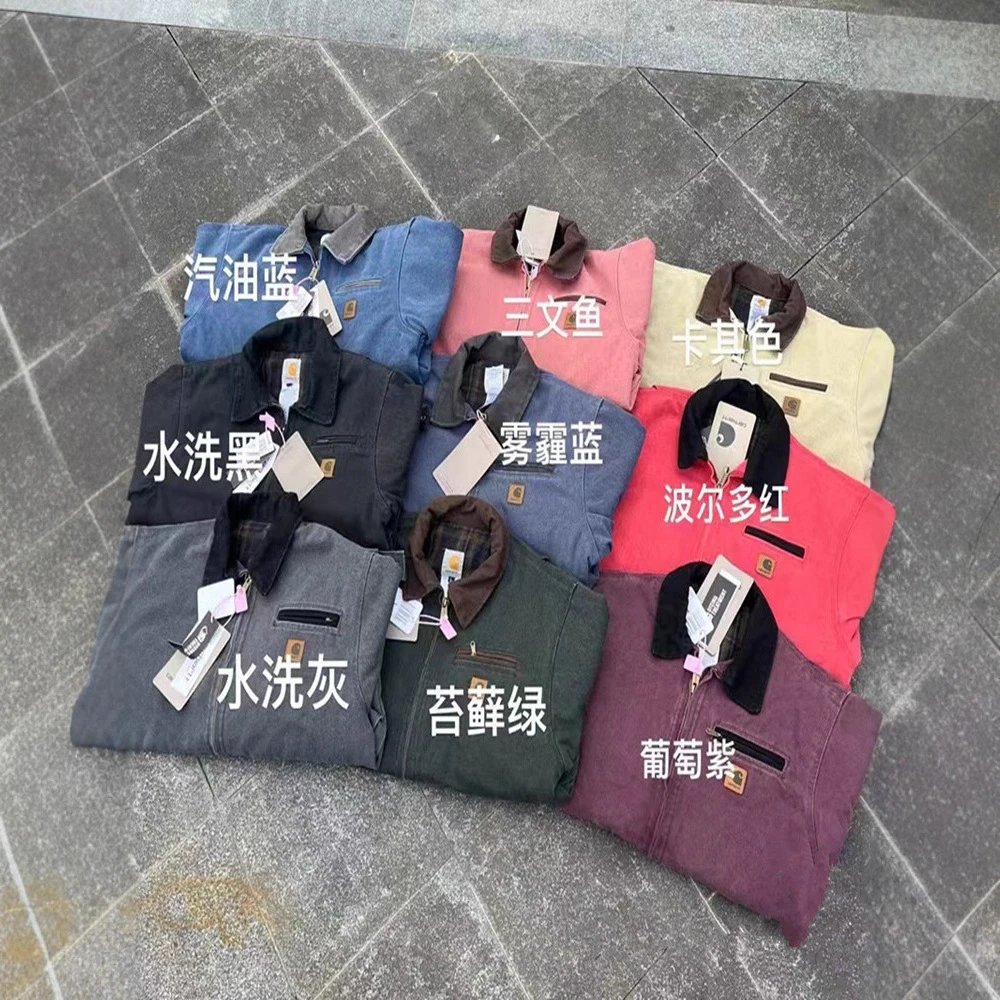
Carhartt Active Jac 102797 Water-Washed Denim Jacket - Gasoline Blue - 133913

Trapstar 3D Diamond-Textured Cross T-Shirt White - 134226
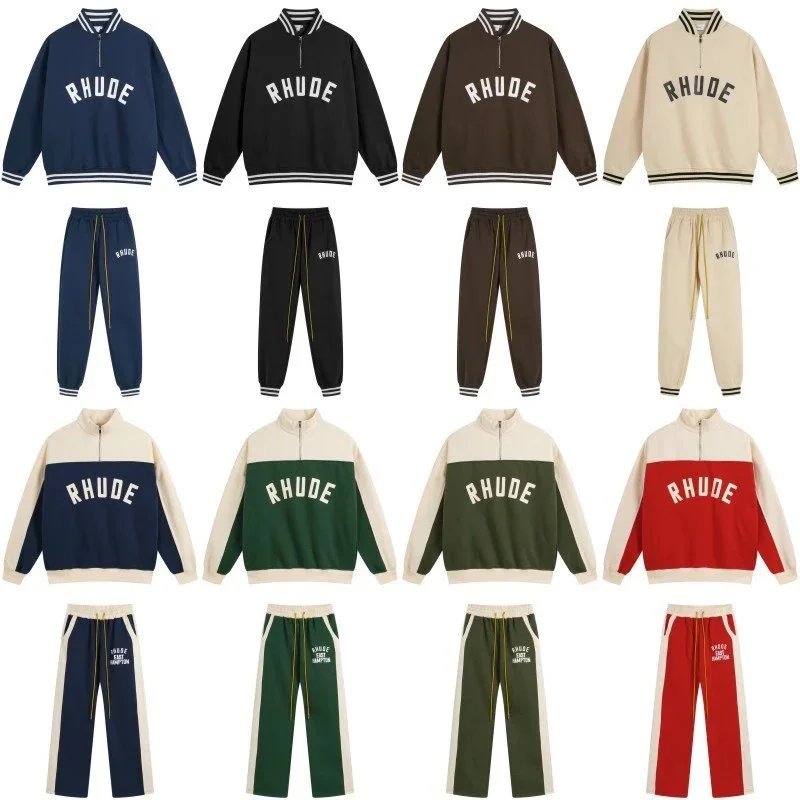
RHUDE Half-Zip Track Jacket and Pants Set - Navy/Beige Colorblock - 133525
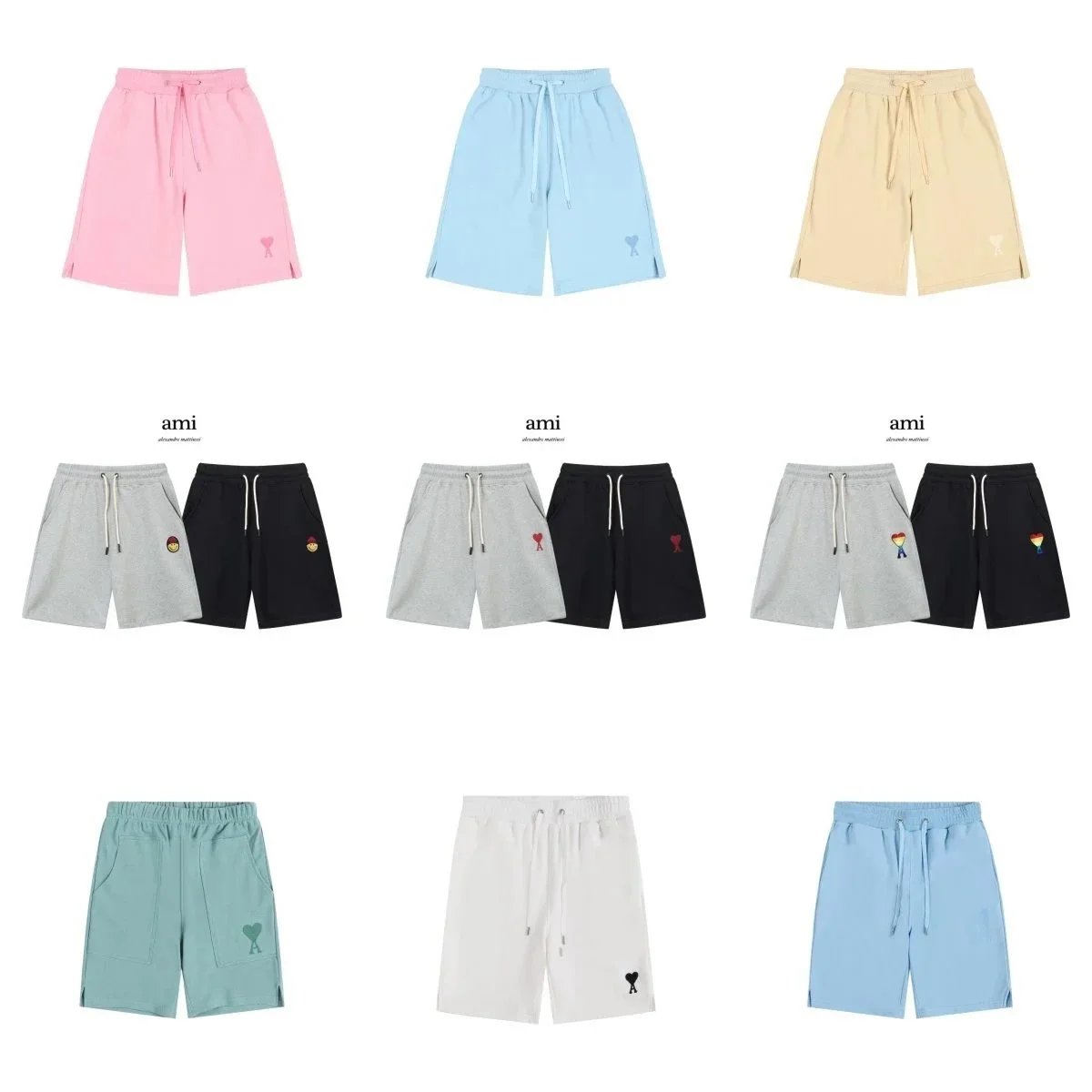
Ami Alexandre Mattiussi Heart Logo Drawstring Shorts - Pink - 135700
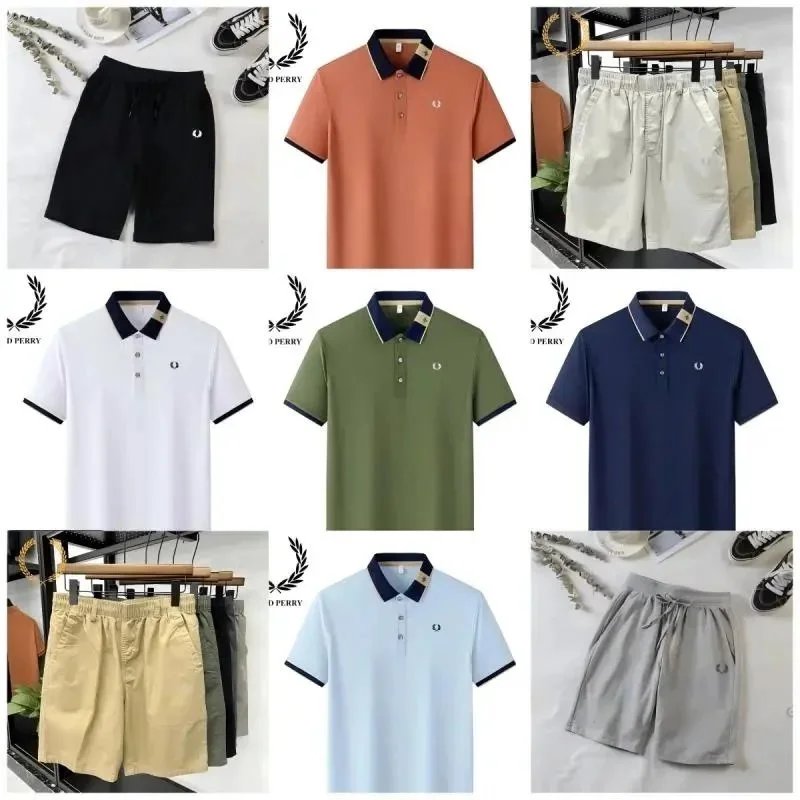
Fred Perry Twin-Tipped Polo Shirt - Orange with Navy Collar - 131307
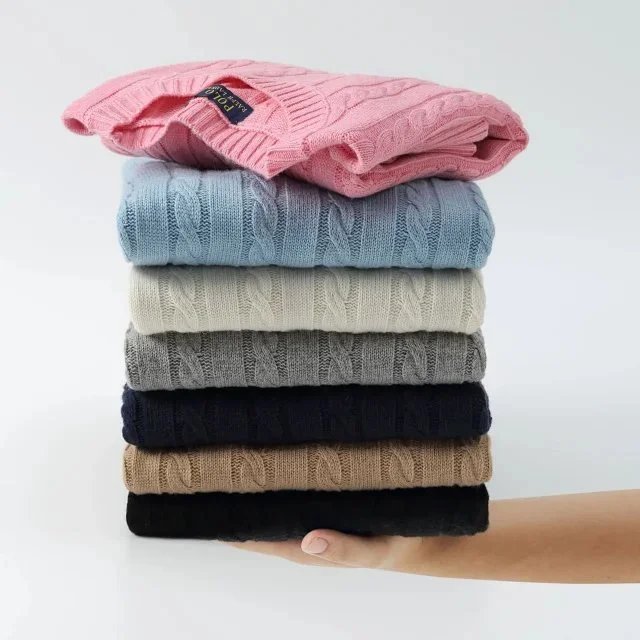
Polo Ralph Lauren Cable Knit Wool Blend Sweater - Pink - 133800

Louis Vuitton Padlock Keychain Gold and Silver Logo Lock Charm - 136447