Reps Batches & Quality Tiers Explained (2026 Guide)
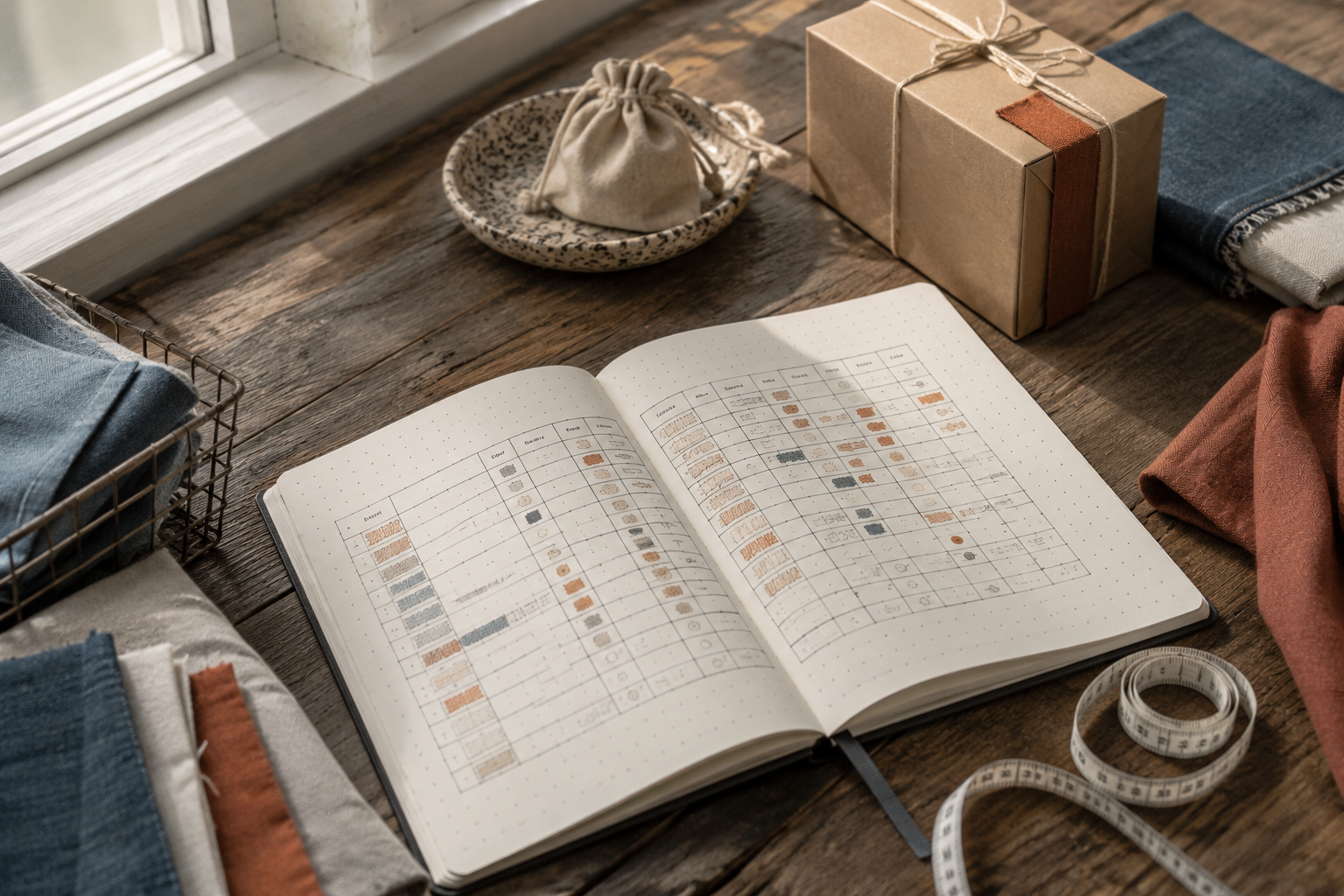
A batch is a single factory's production run of a particular replica item, and the phrase reps batches explained usually means understanding why two sellers can ship the "same" shoe or bag that look noticeably different. Different factories tool their own molds, source their own leather and pick their own stitching machines, so each batch carries its own fingerprint. When buyers ask what is a batch reps, the short answer is: a version of a product made by one workshop, given a nickname by the community so people can tell the versions apart.
Because there is no central regulator, the community itself ranks batches. Reviewers post QC (quality control) photos, compare them to retail references, and a rough hierarchy of quality tiers emerges. This explainer walks through how factories create variants, how the ranking works, why the best batch keeps changing across 2026, and how to read QC reps photos so you can judge a batch yourself rather than trusting a single seller's word.
What Is a Batch in Reps Terminology?
A batch is named after either the factory, a seller, or a distinctive feature. You will see labels like "PK batch", "H12 batch", "OG batch" or "Top batch". These nicknames are community shorthand, not trademarks. One factory may run several batches of the same model over a year, refining the mold each time, which is why a name alone tells you less than the QC photos attached to it.
Key point: a batch is about where and how an item was produced, not just price. A cheaper batch is not automatically worse, and a pricier one is not automatically a 1:1 match. The relationship between cost and accuracy is loose, which is exactly why tiers and QC checks exist.
Why Do Factories Produce Multiple Variants?
Factories chase the same retail original but start from different reference material. One workshop may buy a genuine pair to scan; another may copy from photos. Materials also vary by supplier availability: a leather lot runs out, a hardware plating supplier changes, or a stitching machine is replaced. Each change spawns a new variant. Over a model's life you can see three to six meaningful batches, plus countless minor tweaks. This is normal manufacturing churn, not deception, and it is the root reason the "best" label never sits still.
How Does the Community Rank Reps Quality Tiers?
Reps quality tiers are an informal scale built from thousands of QC photo comparisons. There is no certifying body; the ranking is crowd-sourced consensus on forums, Discord servers and review threads. A typical tier framework in 2026 looks like the table below. Treat the labels as directional, not official.
| Tier | What buyers report | Typical use case |
|---|---|---|
| Top / 1:1 | Closest to retail: correct shape, font, weight, hardware engraving | Buyers wanting maximum accuracy |
| High / "best batch" | Strong overall, one or two minor flaws under close inspection | Most popular value pick |
| Mid | Right silhouette, visible shortcuts in stitching or materials | Casual wear, lower budget |
| Budget / entry | Recognizable shape, obvious differences in logo or color | Trying a style before committing |
Notice the second tier is often labelled the best batch because it balances accuracy against price. The "best" tag is a community vote, and votes change as new runs appear. A batch praised in January 2026 can slip a tier by mid-2026 if the factory's leather supplier changes.
Why Does the "Best Batch" Keep Shifting?
Three forces move the ranking. First, retooling: a factory fixes a flaw (say, a wrong heel angle) and the corrected run jumps a tier. Second, material drift: a praised batch quietly switches leather or hardware suppliers, and accuracy drops without the name changing. Third, new entrants: a fresh factory reverse-engineers the model and leapfrogs everyone. Because of this, a "best batch of 2025" post may already be outdated in 2026. Always check the date on any recommendation and look for QC photos from the last few weeks, not last year.
How Do You Read QC Photos to Judge a Batch?
QC reps photos are the pictures an agent takes of your exact item before shipping. Reading them is the single most useful skill for judging a batch, because the tier label is generic but the QC shows your specific unit. Here is a practical, neutral checklist buyers use in 2026.
- Logo and font — Compare letter spacing, thickness and serif shape to a retail reference (retail reference, not an offer). Wrong kerning is the most common giveaway.
- Stitching — Count stitches per section if a known reference exists; look for even spacing, no loose threads, and matching thread color.
- Hardware — Check zipper brand stamps, buckle engraving depth and plating tone. Plating that looks too yellow or too chrome is a flag.
- Shape and proportion — Lay the QC photo beside a retail image at the same angle. Toe box height, bag slouch and panel curves reveal mold quality.
- Color and material grain — Screens distort color, so judge grain pattern and texture over exact hue. Ask for extra photos in daylight if unsure.
- Date code / inserts — For items that carry codes, check format plausibility. Treat any code as a print, not proof of authenticity.
A Worked Example: Comparing Two Batches of One Sneaker
Imagine a popular low-top sneaker offered as a "PK batch" and an "H12 batch" (names are illustrative). A buyer pulls QC photos of both and runs the checklist:
- PK batch QC: crisp logo font, accurate toe shape, but the midsole foam reads slightly too white against the retail reference (retail reference, not an offer). Community threads rate it high tier.
- H12 batch QC: midsole color is closer, yet the heel logo sits one millimeter low and stitching on the tongue is uneven. Community rates it mid-to-high, with mixed recent reports.
The "best" pick here depends on what the buyer prioritizes: font accuracy (PK) or midsole color (H12). Neither is universally correct, which is the whole lesson of tiers. The buyer's own QC photos, requested through the agent before shipping, settle the decision for that specific order. Pricing for batches like these is typically discussed as a range across agents rather than a fixed receipt, so compare current listings rather than trusting an old quoted number.
Where Do You Find Reliable Batch Info and Listings?
Batch nicknames and the "best" labels usually originate in community spreadsheets and review threads, then get mirrored across agent platforms. A curated spreadsheet of trending items is a common starting point for finding which batches are active in 2026. From there, buyers compare how individual agents handle QC photos, warehouse fees and shipping. For platform-level comparisons, see our Oopbuy spreadsheet review and the CnFans spreadsheet review, which cover how each service surfaces QC images and batch listings.
For neutral background on how replica manufacturing and counterfeiting are defined and regulated, general references such as the public encyclopedia entry on counterfeit consumer goods provide context outside the reps community itself. Always confirm the official retail specifications on a brand's own site before treating any batch comparison as definitive; brand pages are the only authoritative source for the original's measurements.
What Should Beginners Avoid?
New buyers often over-index on a single "best batch" post and skip their own QC review. Three habits help: (1) treat batch names as starting points, not guarantees; (2) always request and read QC photos before approving shipment; and (3) check the date on any 2026 recommendation, because a batch's quality can change mid-year. A neutral, checklist-driven approach beats chasing whichever batch a thread happened to hype this week.
Summary: Reading Batches in 2026
- A batch is one factory's production run; the name is community shorthand.
- Quality tiers are crowd-sourced consensus, not an official rating.
- The "best batch" shifts as factories retool and suppliers change, so 2026 freshness matters.
- QC photos judge your specific unit; learn the logo, stitching, hardware, shape and material checks.
- Compare current agent listings and recent QC threads rather than old quoted prices.
FAQ
What is a batch in reps, in one sentence?
Is the most expensive batch always the best batch?
How often does the best batch change?
What are QC reps photos and why do they matter?
Can a good QC photo guarantee the whole batch is good?
Popular oopbuy Spreadsheet Products
Stussy Air 8089 Black Puffer Jacket with Graphic Back Print - 136655
Casablanca Tennis Club Graphic Sweatshirt - White Orange Bowl Print - 131511
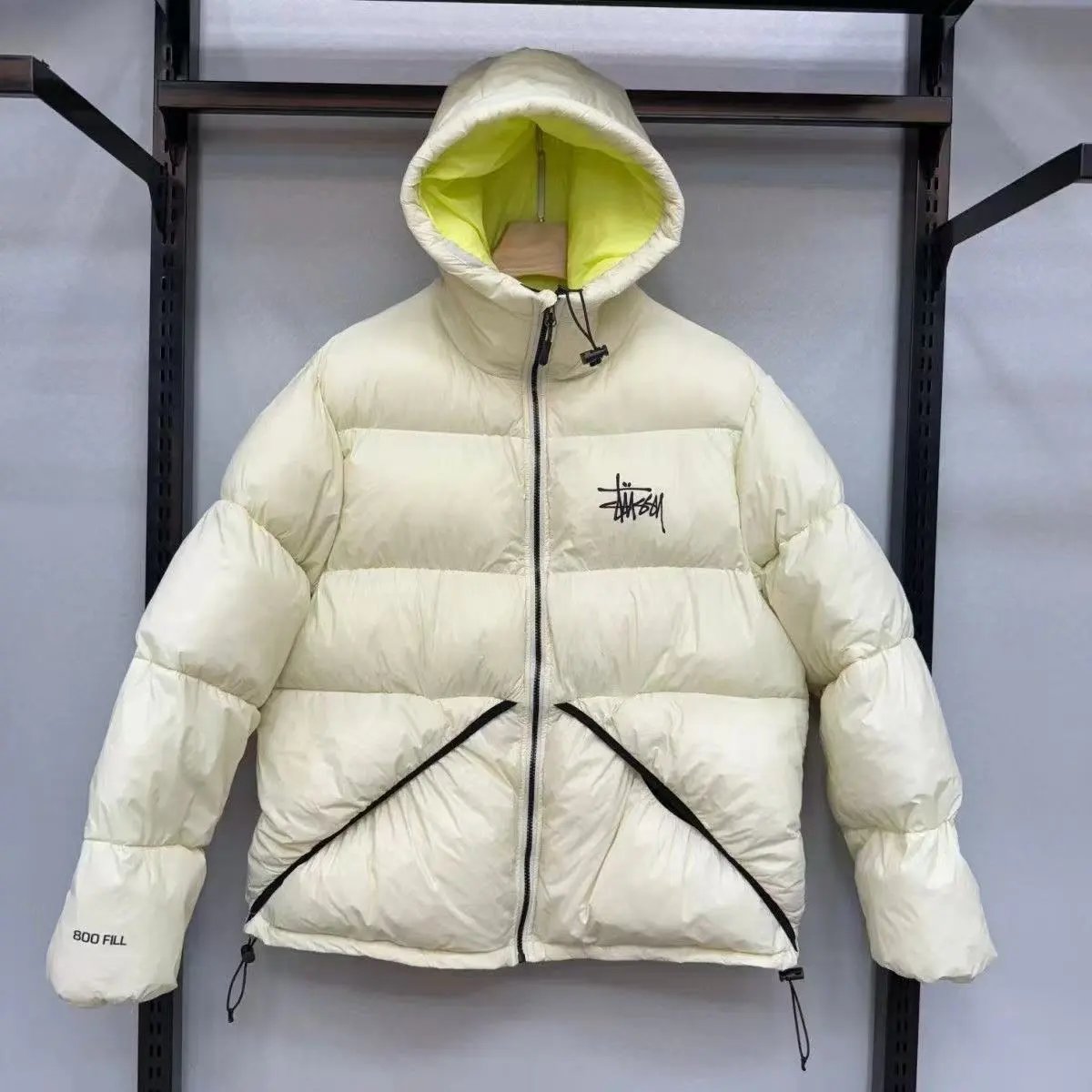
Stussy 800 Fill Puffer Jacket - Cream with Neon Yellow Lining - 132602
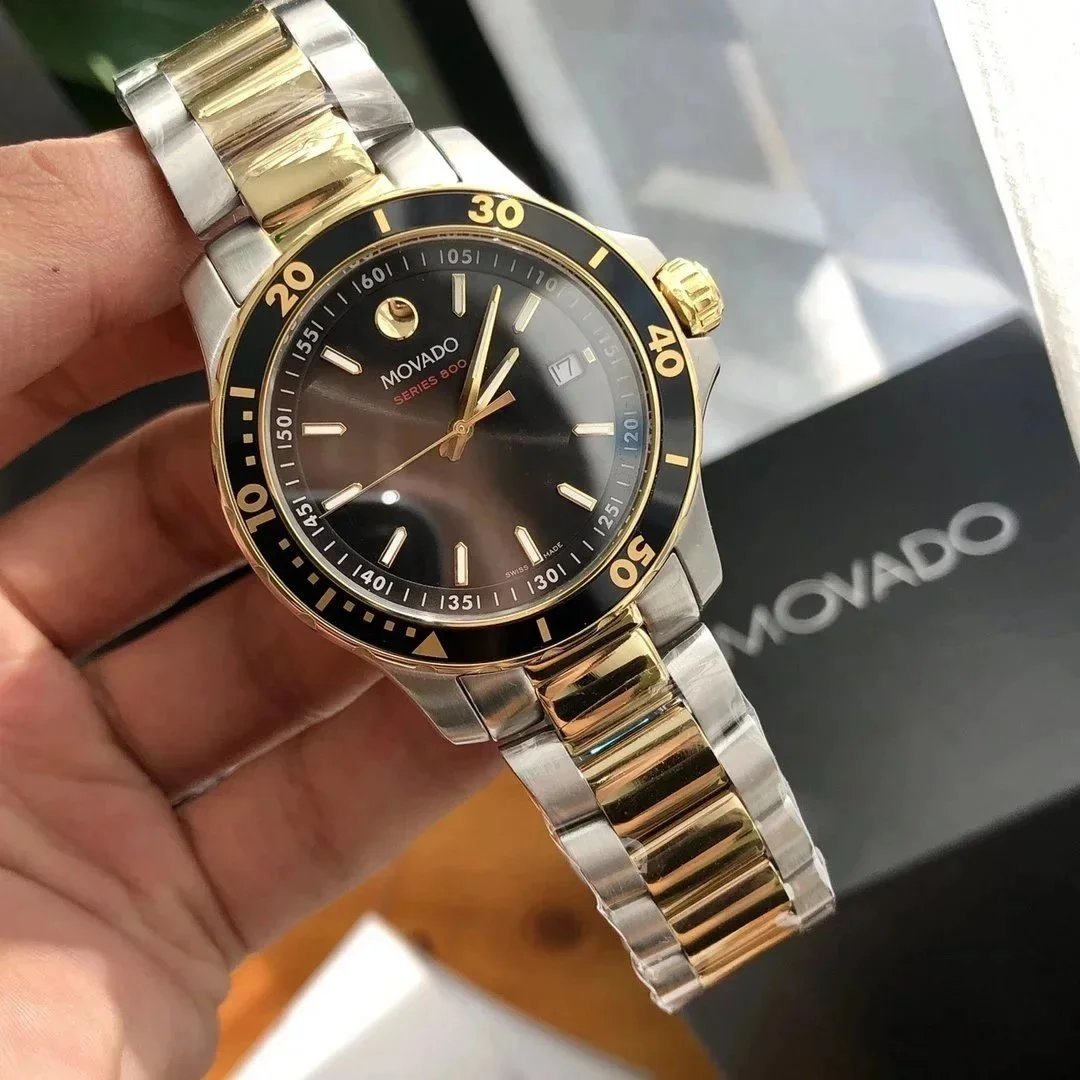
Movado Series 800 Chronograph Watch - Black Dial Gold-Silver Steel - 136285
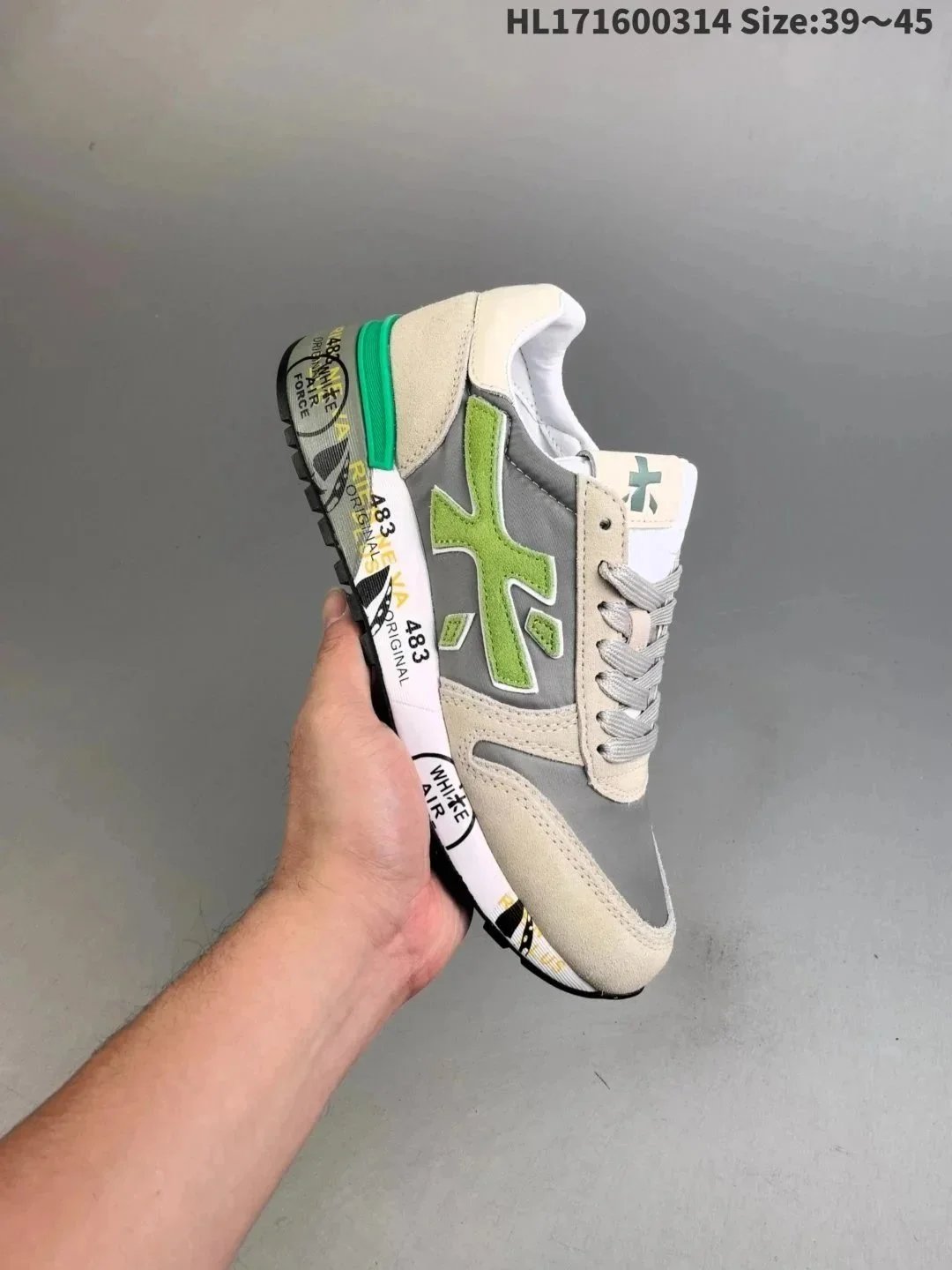
Diadora 483 Original White Air Green Grey Retro Running Shoe - 136396
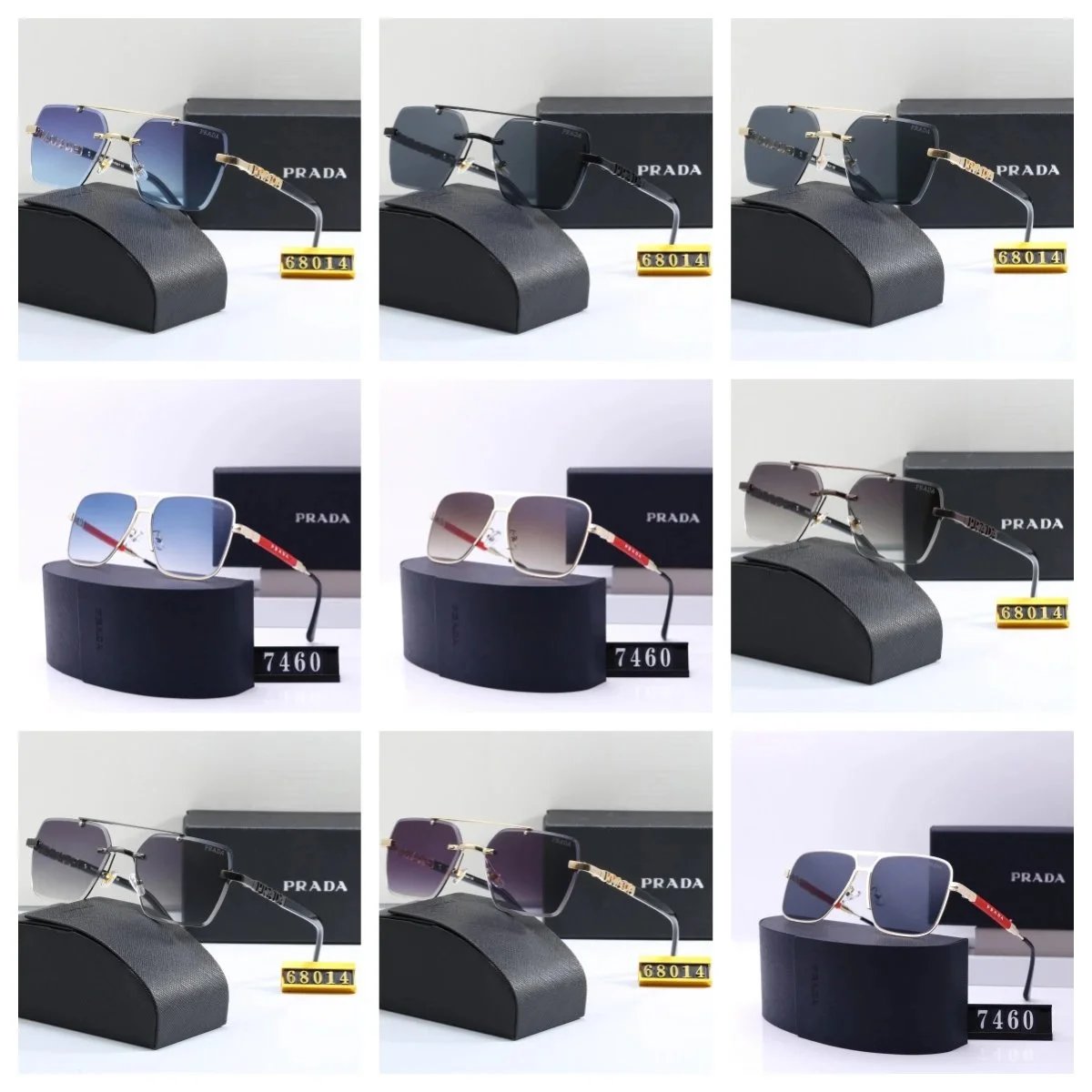
Prada 68014 Gold-Frame Rimless Sunglasses with Gradient Lens - 131663
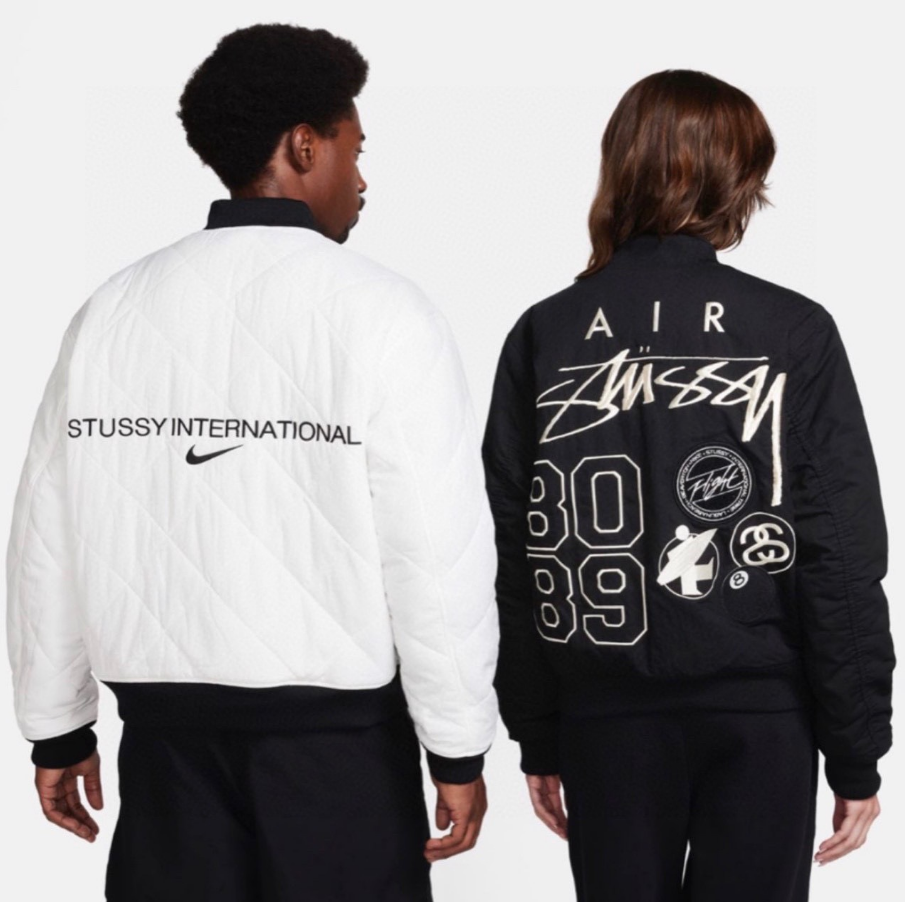
Nike Stussy International Quilted Bomber Jacket - White/Black - 134594