Is Mulebuy Spreadsheet Worth It in 2026? Real Buyer's Mulebuy Review
This is a neutral, source-based overview of Mulebuy as a China shopping-agent option, written by aggregating verifiable public information rather than personal purchase history. It contains no first-person order logs, no self-assigned star scores, and no invented fees or shipping rates. Where numbers matter (commissions, freight, customs), the guidance is to verify the current figures inside the Mulebuy platform itself and to read independent reviews before committing money.
What is the Mulebuy spreadsheet?
"Mulebuy spreadsheet" is shorthand for the community-maintained product lists that link to items resold through the Mulebuy purchasing agent. The agent model is straightforward: you submit a product link from a Chinese marketplace such as Taobao or Weidian, the agent buys it on your behalf, receives it in a domestic warehouse, photographs it for quality control, and then forwards it internationally once you pay for shipping. A clear walkthrough of that flow is documented by Repsheet.
It is worth understanding that Mulebuy is one of many largely interchangeable agents. Aggregators such as JadeShip list Mulebuy alongside Kakobuy, Joyagoo, ACBuy, AllChinaBuy, Hoobuy, Superbuy, CSSBuy, Oopbuy, Loongbuy and others. Because many of these agents source from the same sellers, a "Mulebuy spreadsheet" link can frequently be opened through a different agent with little practical difference. Choose on service, fees and reliability rather than on the spreadsheet brand name.
Fees, coupons and hidden costs
Mulebuy, like its peers, layers several charges on top of the item price: a service commission, optional value-added services (extra QC photos, repacking, consolidation), payment-processing margins, and the international shipping bill. Rather than quote a specific commission as "verified," check the live rate inside your Mulebuy account at checkout, because agents adjust these terms regularly and run rotating promotions.
For context, an industry survey by HowToTao puts typical agent service fees in roughly the 0–10% band, with some agents charging 0–5% and others landing near 10%. Treat any coupon or "effective fee" you see advertised as a claim to confirm at the point of sale; do not assume a promo code is still active or stacks the way a third-party page suggests.
Shipping cost and the 2025 customs change you must know
The single biggest cost shift for 2026 is not the agent's commission—it is customs. The United States ended duty-free de minimis treatment for low-value parcels, first for China-origin shipments and then for shipments from every country. The China-origin change took effect May 2, 2025, per the White House fact sheet, which also noted that CBP processes more than 4 million de minimis shipments daily. A subsequent presidential action extended the suspension to articles from all countries, effective August 29, 2025.
The scale of what changed is large: roughly 1.36 billion parcels entered the US under de minimis in FY2024 at an average value near $45, according to figures compiled by Red Stag Fulfillment. The practical takeaway for Mulebuy shoppers: any older guide promising that sub-$800 parcels slip into the US duty-free is now outdated and wrong. Build duties and processing fees into your 2026 budget, and treat freight estimates as quotes to confirm at checkout, since carrier line speeds and prices fluctuate.
QC photos: what to check
Mulebuy provides quality-control photos before you pay for final shipping. Use them deliberately rather than glancing past them:
- Confirm the correct color, size and variant against your order.
- Inspect stitching, glue lines, soles and hardware for obvious defects.
- Check logos, fonts and tags for spelling or alignment problems.
- Look for scuffs, stains or transit damage.
- Verify the item count matches what you ordered.
- If anything looks off, raise it before requesting shipment—disputes are far easier while the parcel is still in the warehouse.
Mulebuy vs other agents
The fairest way to compare Mulebuy against ACBuy, Kakobuy, Superbuy or CSSBuy is on total landed cost—item price plus commission plus shipping plus duties—not on the headline commission percentage alone. A low commission paired with expensive freight can cost more than a higher commission with cheaper consolidated shipping. The scoring approach published by NewBuyingAgent is a useful framework: weigh fees, shipping options, QC quality and support together. Because the underlying sellers overlap, run the same cart through two or three agents and compare the final number before deciding.
Mulebuy reputation (third-party)
For independent sentiment, the most useful public source is Mulebuy's Trustpilot profile: trustpilot.com/review/mulebuy.com. Open it directly to see the current TrustScore and review volume—these change over time, so any number quoted in a static article goes stale quickly. Read a sample of recent 5-star and 1-star reviews together: the positive ones tend to highlight pricing and shipping speed, while the critical ones surface the failure modes (delays, disputes, communication gaps) that matter most when deciding whether to trust an agent with your money.
Why people use agents (market context)
Demand for buying agents rides on a fast-growing cross-border e-commerce market, valued at about USD 2.2 trillion in 2024 and projected by market.us to reach roughly USD 18.2 trillion by 2034. That growth also brings risk: the OECD estimated global trade in counterfeit goods at USD 467 billion in its 2025 report, and counterfeiting is especially concentrated in categories like footwear, as documented by RunRepeat. Buyers use agents partly because QC photos give a checkpoint to inspect goods before they ship—but that checkpoint is only as good as your own scrutiny.
Pros and cons
Potential advantages: access to Chinese marketplaces that don't ship internationally; warehouse consolidation to reduce per-parcel freight; QC photos before final shipment; a large, interchangeable agent ecosystem that keeps competitive pressure on fees.
Drawbacks and cautions: total cost is harder to predict than retail; 2026 US duties now apply where parcels previously entered free; shipping timelines vary by line and season; dispute and refund outcomes depend on the agent's policies; and—as the OECD data shows—authenticity and legal risk sit with the buyer. Verify fees, freight and return terms in-platform before ordering.
FAQ
Will I pay import duties in 2026? For US shipments, very likely yes. The de minimis exemption that previously let low-value parcels enter duty-free ended in 2025 for China-origin goods and was then suspended for all countries. Budget for duties and processing fees.
How much does Mulebuy charge? Commission and value-added fees are set in-platform and change over time. Independent surveys place agent service fees broadly in the 0–10% range; confirm Mulebuy's current rate at checkout rather than relying on a third-party figure.
Is Mulebuy better than other agents? They are largely interchangeable because they source from the same sellers. Compare on total landed cost—item, commission, shipping and duties combined—not on commission alone.
How do I check Mulebuy's reputation? Read its Trustpilot profile for the live score and a balanced sample of recent positive and negative reviews.
Bottom line
Mulebuy is a credible entry in a crowded field of near-equivalent China shopping agents. There is no single "best" choice; the right pick depends on the specific sellers in your cart, your destination's duties and the freight options available when you order. Before committing, verify current fees and shipping inside the platform, factor in 2026 customs duties, inspect QC photos carefully, and read Mulebuy's live Trustpilot reviews. Treat the spreadsheet brand as a convenience, not a guarantee.
Sources
- Repsheet — how buying agents work
- JadeShip — supported agent list
- HowToTao — agent service-fee comparison
- White House — de minimis closed for China-origin shipments
- White House — de minimis suspended for all countries
- Red Stag Fulfillment — de minimis parcel volume (CBP FY2024)
- NewBuyingAgent — scoring-based agent comparison
- market.us — cross-border e-commerce market size
- OECD — global trade in fake goods (2025)
- RunRepeat — counterfeit footwear statistics
- Trustpilot — Mulebuy profile
Popular oopbuy Spreadsheet Products

Acne Studios Stockholm 1996 Long Sleeve Tee - Ice Blue Dip-Dye - 136490

Nike Air More Uptempo '96 OG White Black Bold Type - 136759
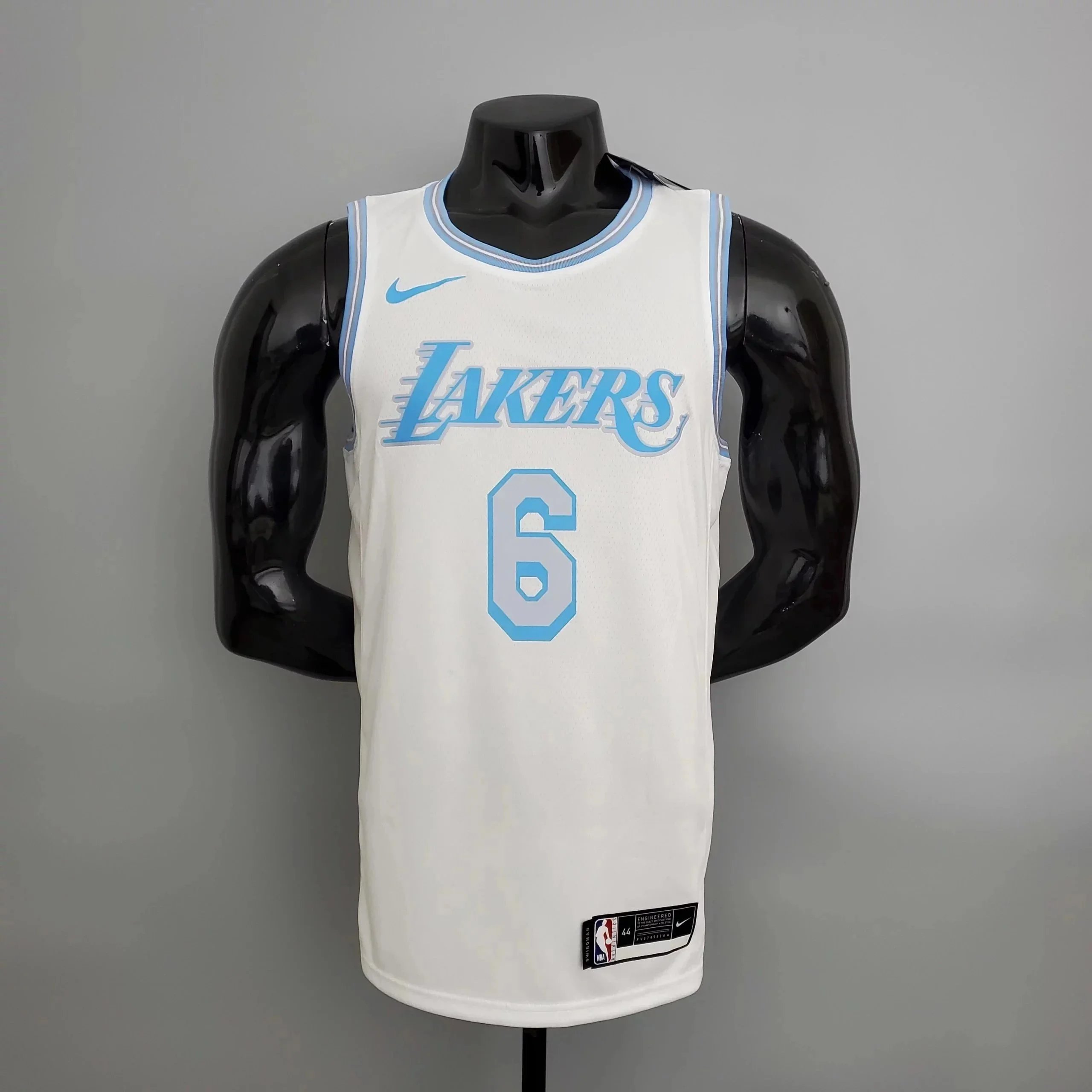
Nike Lakers City Edition Jersey - White with Light Blue Accents - 136302
216# Patterned Knit Beanie - White with Gray Zigzag Design - 136298
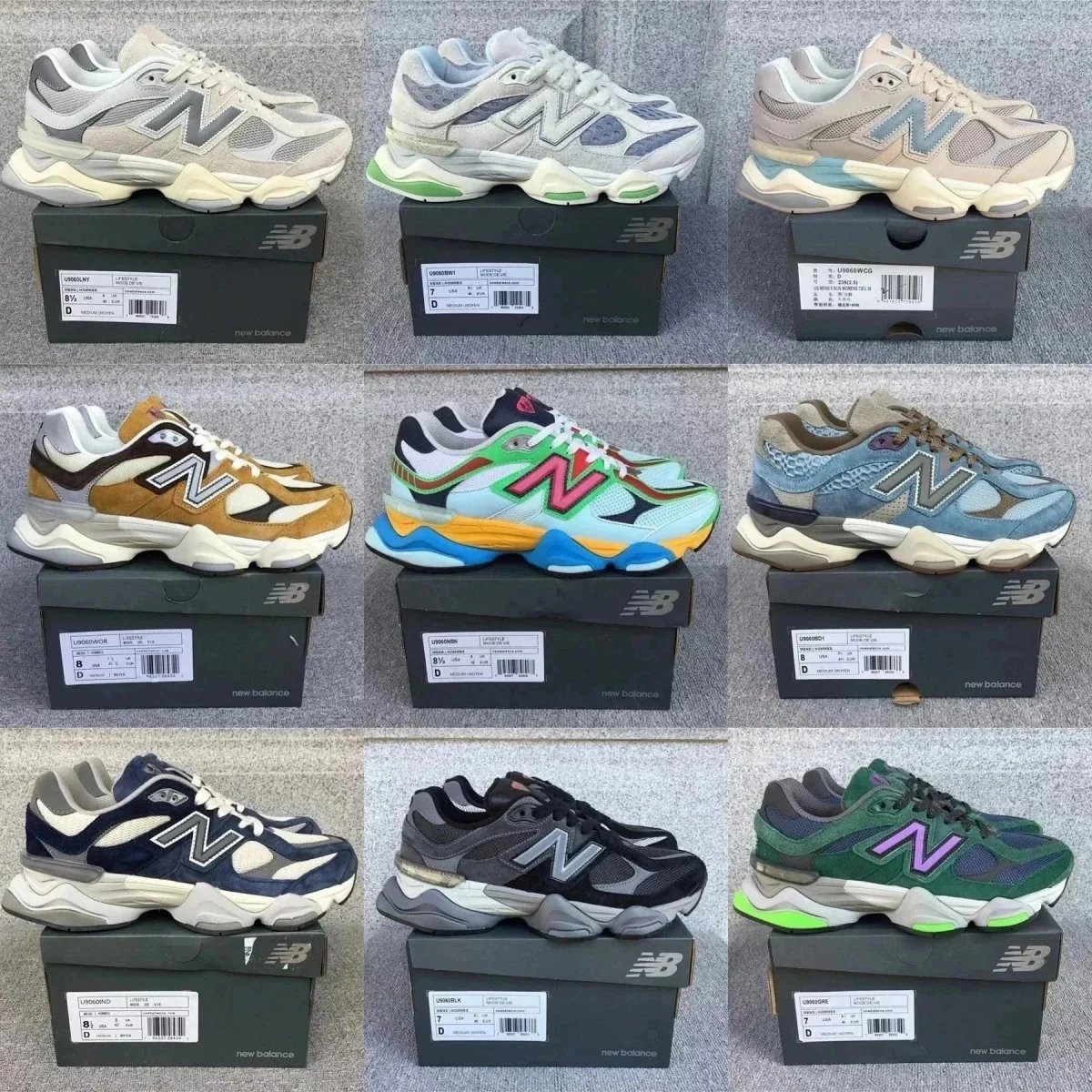
New Balance 9060 Beige Mesh Grey N Logo Chunky Sneaker - 136606
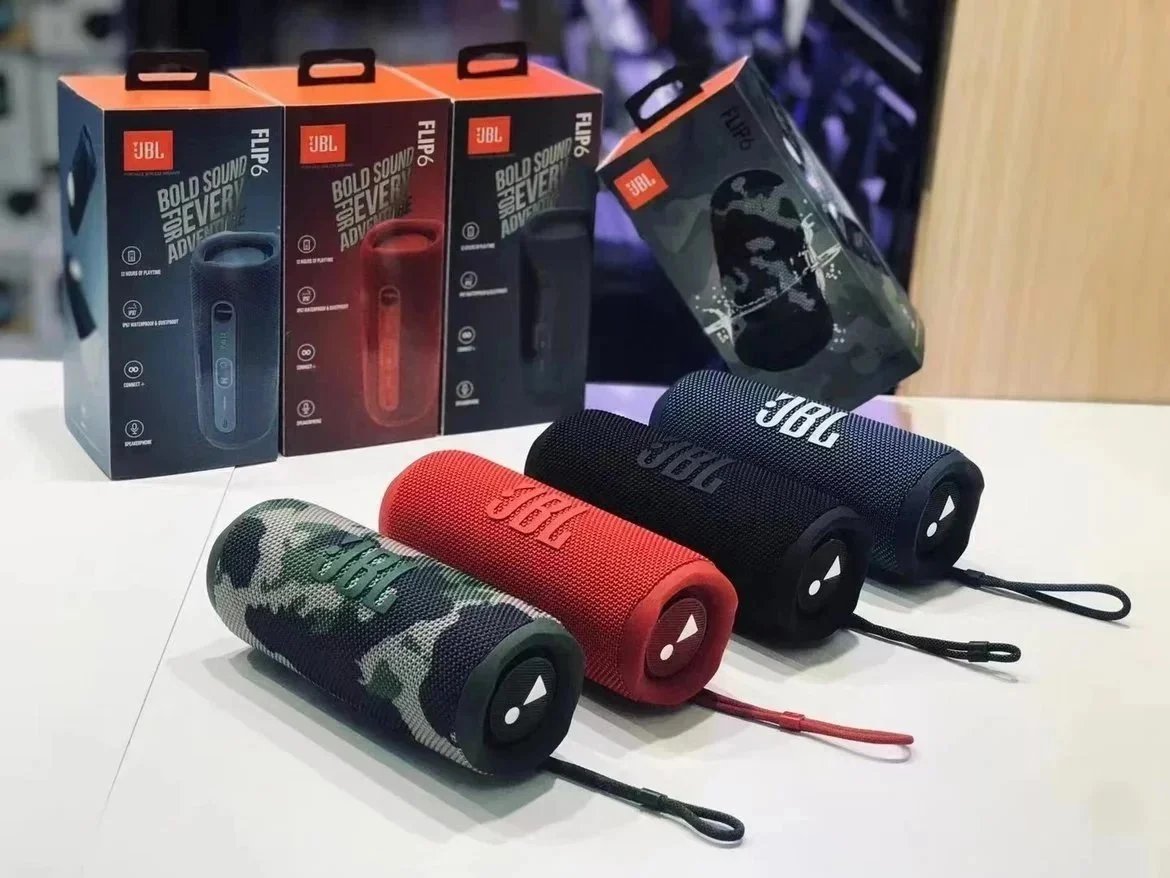
JBL Flip 6 Portable Bluetooth Speaker - Camo Waterproof - 136323
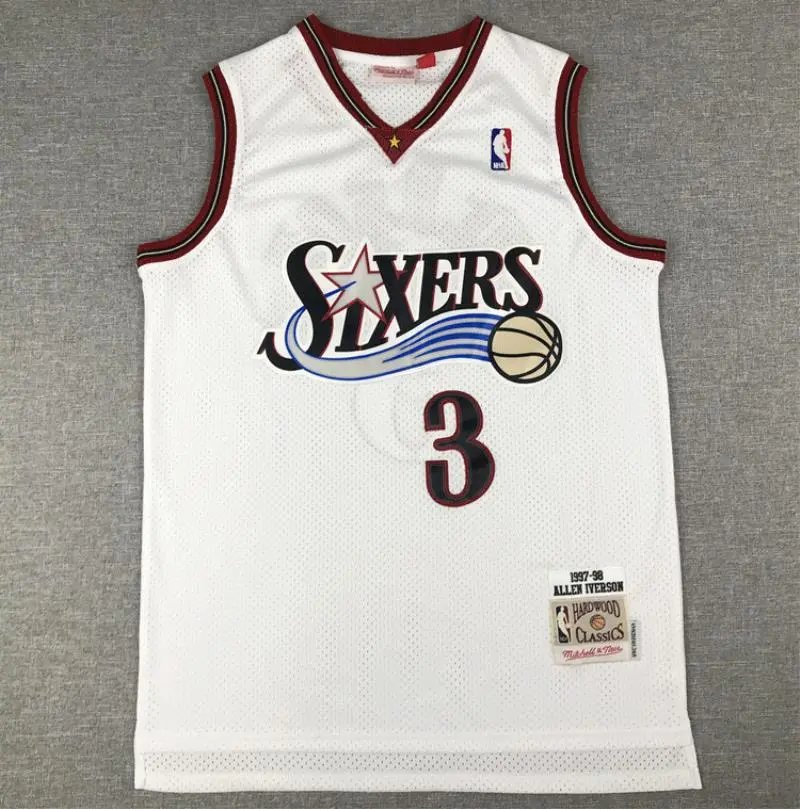
Mitchell & Ness 1997-98 Allen Iverson Philadelphia 76ers White Jersey - 135405