How to Use Acbuy Spreadsheet in 2026 — Complete Walkthrough
This is a neutral, source-based walkthrough of how to use Acbuy together with a community "spreadsheet" of product links. It aggregates verifiable public information rather than personal purchase stories: there are no invented order dates, no made-up shipping receipts, and no self-assigned ratings. Where fees, coupons or rates matter, the guide tells you to confirm the current figure inside Acbuy itself, because agent pricing and — as of 2025 — international customs rules change frequently. Treat every number you see in older "I paid X" tutorials with caution; this version explains the process and points you to primary sources you can check yourself.
What is the Acbuy spreadsheet?
"Acbuy spreadsheet" is community shorthand for a shared list (usually a Google Sheet) of product links that buyers paste into the Acbuy platform. Acbuy is a China-based buying agent. As independent tutorials describe the model, a buying agent purchases an item on your behalf from a Chinese marketplace such as Taobao or Weidian, receives it into its own warehouse, photographs it for a quality check, then consolidates and forwards it to you internationally (Repsheet). The spreadsheet itself is not produced by Acbuy — it is a crowd-maintained catalogue of links that happens to be opened through Acbuy.
It is worth knowing that these agents are largely interchangeable. Link-conversion and catalogue tools such as JadeShip support Acbuy alongside kakobuy, joyagoo, mulebuy, allchinabuy, hoobuy, superbuy, cssbuy, oopbuy, loongbuy and others, and the same spreadsheet link will usually open on any of them. So choosing Acbuy is mostly a question of fees, warehouse handling and shipping options rather than catalogue access.
Step-by-step: using a spreadsheet with Acbuy
- Open the spreadsheet. Find a community sheet for the category you want. Each row typically holds a product name, a marketplace link and sometimes a reference photo.
- Convert or paste the link. Copy the marketplace URL into Acbuy's search box, or use a conversion tool so the listing opens directly inside Acbuy.
- Choose variant and quantity. Select size, colour and quantity on the product page before adding to cart, exactly as you would on the original marketplace.
- Pay the purchase cost. Acbuy buys the item from the seller. At this stage you are paying the item price plus the platform's service fee — confirm the current fee in-app (see below) rather than trusting an old screenshot.
- Wait for warehouse arrival and QC. When the parcel reaches Acbuy's warehouse, QC photos are uploaded for you to inspect.
- Submit the shipping parcel. Combine items, pick a courier line, and pay the international shipping quote that the platform calculates for your weight and destination at that moment.
Note what is deliberately absent here: no fixed "¥125 first 0.5 kg" courier rate, no "10–18 day" delivery promise and no referral-credit figure. Those vary by line, season and destination, and quoting a stale number helps no one — read the live quote at checkout.
Fees, coupons and hidden costs
Always verify Acbuy's current service fee, payment-processing surcharges and any minimum-fee floor inside your own account before ordering, because published rates go out of date quickly. For context, third-party surveys of the buying-agent market put service fees broadly in the 0–10% range of item cost, with examples like Basetao around 0–5% and Cssbuy around 3–6% (HowToTao). Use that band as a sanity check: if a fee you see is far outside it, re-read the terms. This guide does not list specific coupon codes or a "verified" exact percentage, because such figures cannot be confirmed from outside the platform and change without notice.
Shipping cost and the 2025 customs change you must know
The single biggest reason older Acbuy tutorials are now misleading is the collapse of duty-free "de minimis" treatment for low-value parcels. For US-bound shipments, the long-standing exemption for China-origin goods was closed effective 2 May 2025; the White House noted that CBP processes on average over four million de minimis shipments into the US each day (White House fact sheet). A later presidential action then suspended duty-free de minimis for all countries effective 29 August 2025, so the exemption no longer applies to shipments "regardless of value" (White House presidential action). For scale, CBP data compiled by third parties shows roughly 1.36 billion such parcels entered in FY2024 at an average value near $45 (Red Stag Fulfillment).
The practical takeaway for 2026: budget for import duties and any brokerage charges on top of the shipping quote. Any old walkthrough implying that a sub-$800 parcel slips into the US duty-free is now simply wrong, and "cheap total landed cost" claims written before mid-2025 should be discarded.
QC photos: what to check
When Acbuy uploads quality-control photos, inspect them before you pay for shipping:
- Confirm the size, colour and variant match what you ordered.
- Look at stitching, seams, soles and hardware for obvious defects.
- Check logos, fonts and tags for spelling or alignment problems.
- Compare against the seller's reference images for shape and proportion.
- Verify accessories, dust bags or boxes are present if expected.
- Raise a dispute or request a replacement before shipping if something is wrong — it is far harder once the parcel has left the warehouse.
Acbuy vs other agents
Because the same spreadsheet opens on nearly every agent, compare them on total landed cost — item price plus service fee plus international shipping plus any duties — not on headline commission alone (NewBuyingAgent). A low advertised commission paired with an expensive shipping line can cost more than a higher-commission agent with cheaper consolidation. Run a real quote for your specific items and destination on two or three agents before committing.
Acbuy reputation (third-party)
For independent feedback, check Acbuy's live Trustpilot profile rather than relying on any single tutorial's claim: trustpilot.com/review/acbuy.com. Open it to see the current TrustScore for yourself, and read both the recent five-star and the recent one-star reviews — the one-star reports often reveal the failure modes (lost parcels, slow refunds, QC disputes) that matter most when you are deciding whether to trust an agent with your money. This guide intentionally does not quote a score number, because that figure moves over time and should be read from the source.
Why people use agents (market context)
Demand for buying agents rides on the broader cross-border e-commerce boom, valued at roughly USD 2.2 trillion in 2024 and projected to grow toward USD 18.2 trillion by 2034 (market.us). A note of caution: the OECD reported in 2025 that global trade in counterfeit goods reached about USD 467 billion, posing risks to consumer safety and intellectual property (OECD), and footwear is a frequently affected category (RunRepeat). Buying through an agent does not change the legal status of what you purchase, so know what you are ordering.
Pros and cons
Pros: access to Chinese marketplace listings without a local account; warehouse consolidation of multiple sellers into one shipment; QC photos before international shipping; the same community spreadsheets work across Acbuy and its peers.
Cons: service fees and shipping quotes must be checked live and can erode savings; QC catches obvious defects but not authenticity or legality; refund and dispute outcomes vary; and since the 2025 de minimis changes, import duties now add to the final cost for many destinations.
FAQ
Will I pay import duties in 2026? Most likely yes. With duty-free de minimis suspended for the US (and ended for China-origin goods earlier in 2025), low-value parcels are no longer reliably exempt, so budget for duties and brokerage on top of shipping.
Is the Acbuy spreadsheet official? No. Spreadsheets are community-maintained link lists; Acbuy is simply the platform you open them through.
Can I use the same spreadsheet on another agent? Generally yes. Tools like JadeShip support many interchangeable agents, so the same links usually open elsewhere.
How do I know Acbuy's real fee? Check it inside your Acbuy account at checkout. Market-wide, agent service fees tend to fall in a 0–10% band, but only the in-app figure is authoritative.
Bottom line
Acbuy is one of many interchangeable buying agents that can open a community spreadsheet of product links, and the process — convert link, pay item plus fee, inspect QC photos, pay shipping — is straightforward. The decisions that actually affect your wallet are total landed cost and, in 2026, import duties following the end of de minimis. Verify current fees and shipping quotes in-platform, read Acbuy's live Trustpilot reviews before trusting it, and compare a real quote against a competing agent rather than relying on any tutorial's stated numbers.
Sources
- Repsheet — how buying agents work
- JadeShip — supported/interchangeable agents
- HowToTao — agent service-fee comparison
- White House — closing China-origin de minimis (May 2, 2025)
- White House — suspending de minimis for all countries (Aug 29, 2025)
- Red Stag Fulfillment — de minimis parcel volume (CBP FY2024)
- NewBuyingAgent — compare on total landed cost
- Trustpilot — Acbuy reviews
- market.us — cross-border e-commerce market size
- OECD — global trade in fake goods (2025)
- RunRepeat — counterfeit footwear statistics
Popular oopbuy Spreadsheet Products

BIG BOY Unisex Wide-Leg Light Wash Denim Pants - 132724

Nike Dunk Low Off-White 'The 50' Grey Neutral with Deconstructed Laces - 131497

Loewe Anagram Belt in Multiple Colors with Signature Metal Buckle - 132981

AMIRI Logo Hoodie Collection - White Red Black Embroidered - 134342
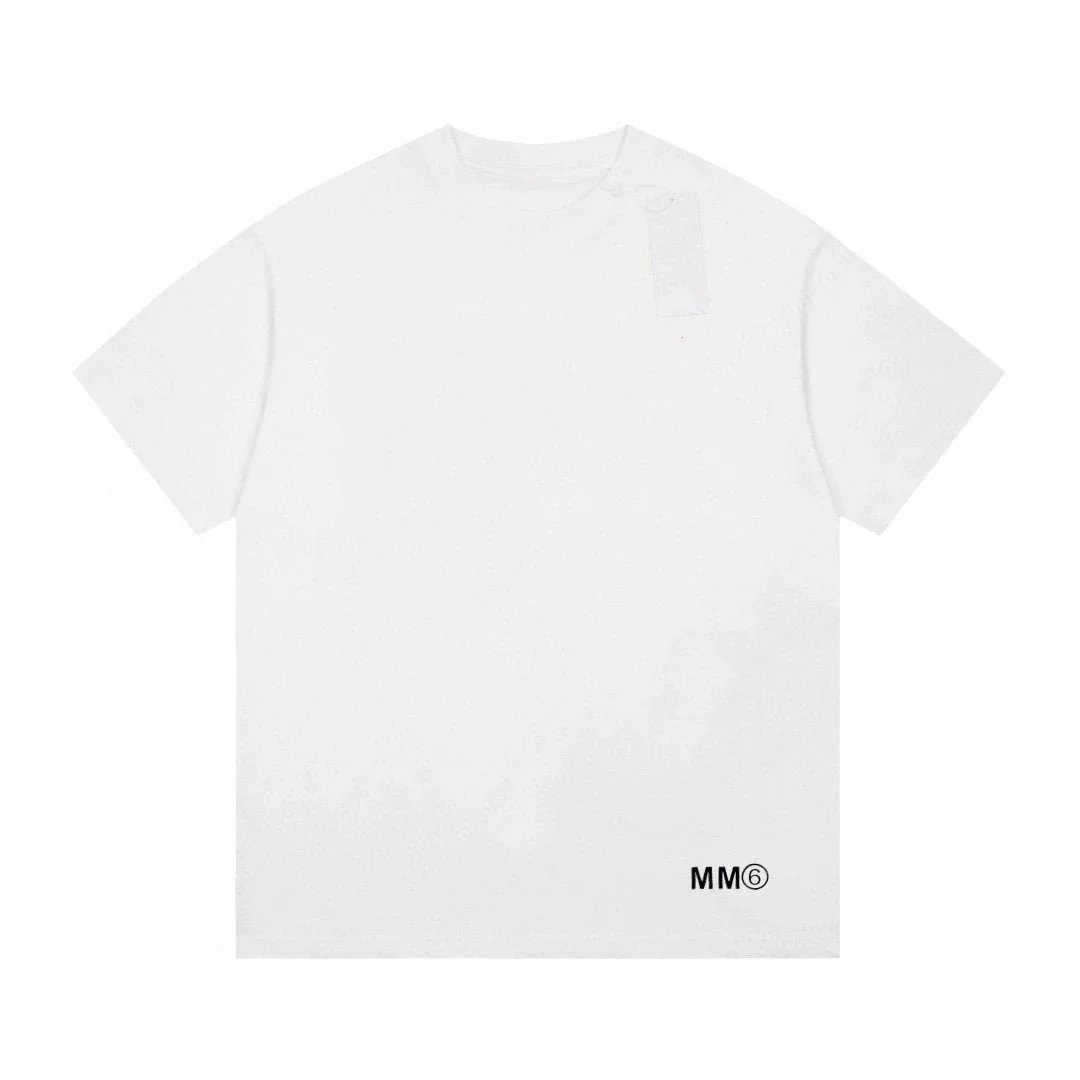
MM6 Maison Margiela Logo T-Shirt White Minimalist - 131960

Rhude Boys Contrast Sleeve Knit Sweater - White/Black - 134721

Longines Heritage Chronometer Automatic Watch Brown Leather Strap - 133169