How to Use Litbuy Spreadsheet in 2026 — Complete Walkthrough
This is a neutral, source-based walkthrough of how the Litbuy spreadsheet and the Litbuy buying-agent workflow actually function in 2026. It aggregates verifiable public information, the platform's own documentation, and independent third-party references. It contains no first-person purchase stories, no self-assigned star ratings, and no invented fees, coupon codes, or shipping quotes. Where a number matters to your budget, the guide tells you where to confirm the current figure yourself rather than repeating a stale or unsourced one.
What is the Litbuy spreadsheet?
A "Litbuy spreadsheet" is a community-maintained list of product links — usually Taobao, Weidian, or 1688 listings — that shoppers paste into Litbuy so the agent can buy on their behalf. The spreadsheet itself is not run by Litbuy; it is one of many shared link collections that float around reproduction-fashion and hobbyist communities. The agent's job begins once you submit a link.
The mechanics are the same across essentially every Chinese buying agent. As Repsheet's tutorials describe the model, the agent purchases the item from the Chinese marketplace for you, receives it into a domestic warehouse, photographs it for quality control, and then forwards the parcel internationally once you pay shipping (Repsheet). Litbuy is a Taobao, Weidian, and 1688 agent that fits this exact template.
It is worth understanding that agents are largely interchangeable. Directory and tooling sites such as JadeShip list Litbuy alongside kakobuy, joyagoo, acbuy, mulebuy, allchinabuy, hoobuy, superbuy, cssbuy, oopbuy, and loongbuy as functionally similar options that all accept the same marketplace links (JadeShip). A spreadsheet built for one agent generally works with another after a quick link conversion.
Fees, coupons and hidden costs
Litbuy, like its peers, layers several charges on top of the item price: a service commission, domestic handling, optional add-ons (extra QC photos, repacking, removing shoe boxes to save weight), and the international shipping line you choose at checkout. Treat any fee figure you see quoted in old guides — including this site's prior version — as unverified. Confirm the live numbers inside your own Litbuy cart before you pay, because agents change pricing without notice.
For a sanity check, independent surveys of the market put agent service commissions broadly in the 0–10% range of item cost, with platforms like Basetao around 0–5%, Cssbuy near 3–6%, and several others at a flat 10% (HowToTao). If a referral or sign-up promotion is advertised, validate it on the Litbuy site at the moment of purchase rather than trusting a code copied from a third party — promo offers expire and codes are frequently stale or fabricated in agent guides.
Shipping cost & the 2025 customs change you must know
The single biggest budgeting change since older Litbuy guides were written is the collapse of the US de minimis exemption. For years, parcels valued under roughly $800 could enter the United States duty-free, and that assumption underpinned most "cheap landed cost" math you'll still find online. That door has closed.
Effective May 2, 2025, the White House ended de minimis treatment for China-origin shipments, in an action noting that CBP "processes over 4 million de minimis shipments into the U.S. each day" (White House fact sheet). A follow-up presidential action then suspended duty-free de minimis treatment for all countries effective August 29, 2025, stating it would "no longer apply to any shipment of articles … regardless of value" (White House presidential action). For scale, CBP figures compiled by Red Stag put de minimis volume at roughly 1.36 billion parcels in FY2024, averaging about $45 each (Red Stag).
Practically, in 2026 a US shopper should budget for import duties and processing charges on top of the Litbuy shipping quote. Any walkthrough — including the one this page replaces — that implied a sub-$800 haul lands duty-free is now wrong. Pick your shipping line for total delivered cost, weigh-and-quote in the cart, and add an estimated duty cushion.
QC photos: what to check
When Litbuy posts the quality-control photos before you ship, inspect rather than glance:
- Logos, stitching, and font spacing against an authentic reference image.
- Color under neutral light — screen-saturated photos can mislead.
- Correct size, colorway, and variant versus what you ordered.
- Soles, hardware, zippers, and seams for defects or glue marks.
- Accessories, tags, and dust bags if they were promised in the listing.
If something is off, raise it before requesting shipment — disputes are far easier to resolve while the item is still in the warehouse.
Litbuy vs other agents
Because the agents share the same upstream marketplaces, commission percentage alone is a poor way to choose. The more useful comparison is total landed cost — item price plus service fee plus the specific shipping line's rate plus duties — for your actual parcel weight and destination, an approach laid out in NewBuyingAgent's scoring framework (NewBuyingAgent). A low headline commission can be erased by a worse freight rate or slower consolidation. Quote the same cart on two or three agents from JadeShip's list and compare the bottom line, not the badge.
Litbuy reputation (third-party)
For independent sentiment, consult Litbuy's public Trustpilot profile rather than any rating asserted on a directory page: https://www.trustpilot.com/review/litbuy.com. Open it to read the current TrustScore and review count for yourself, and skim both recent 5-star and recent 1-star entries — the negative reviews are where you learn the real failure modes (shipping surcharges after an initial estimate, refund delays, or parcels that stall). Weigh recent reviews more heavily than old ones, since agent service quality drifts over time.
Why people use agents (market context)
Demand for agents rides on the broader cross-border e-commerce wave, a market estimated at about USD 2.2 trillion in 2024 and projected toward USD 18.2 trillion by 2034 (market.us). A meaningful slice of agent traffic is replica and reproduction goods, which sit inside a large gray economy: the OECD's 2025 report put global trade in fake goods at roughly USD 467 billion (OECD), with counterfeit footwear a recurring category in industry tallies (RunRepeat). Buyers should understand that replica purchases can be seized at customs, and that risk has only grown with the end of de minimis.
Pros and cons
Pros: access to Taobao/Weidian/1688 listings that don't ship internationally; consolidation of multiple sellers into one parcel; QC photos before shipment; and interchangeability with other agents if service slips.
Cons: total cost is hard to predict until the cart is weighed and quoted; duties now apply to US parcels after the 2025 de minimis change; shipping surcharges and refund delays appear in third-party reviews; and replica goods carry seizure risk. None of these are unique to Litbuy.
FAQ
Is the Litbuy spreadsheet official? No. Spreadsheets are community-made link lists; Litbuy is the agent that fulfills the links. The same sheet usually works with other agents too.
How much does Litbuy charge? Confirm the live service fee and shipping quote in your own cart. Market-wide, agent commissions generally fall in a 0–10% band, but Litbuy's exact figures should be read from the platform at checkout.
Will I pay import duties in 2026? For US shipments, very likely yes. The de minimis duty-free exemption ended in 2025 — first for China-origin parcels in May, then for all countries in August — so budget for duties on top of shipping regardless of parcel value.
How do I judge if Litbuy is trustworthy? Read its live Trustpilot profile, prioritize recent reviews, and inspect QC photos closely before authorizing shipment.
Bottom line
Litbuy is a conventional Chinese buying agent: it buys the marketplace links from your spreadsheet, QCs them, and ships them on. It is neither uniquely good nor uniquely risky compared with its many interchangeable peers. Choose it the way you'd choose any agent — by total landed cost for your specific parcel, by current third-party reviews, and with a 2026 duty cushion baked into your budget. Verify every fee in-platform before paying, and don't trust any guide (including older versions of this one) that promises duty-free US delivery.
Sources
- Repsheet — how a buying agent works
- JadeShip — supported agents directory
- HowToTao — agent service-fee comparison
- White House — de minimis ended for China-origin shipments
- White House — de minimis suspended for all countries
- Red Stag — de minimis parcel volume (CBP FY2024)
- NewBuyingAgent — total landed cost scoring
- market.us — cross-border e-commerce market size
- OECD — global trade in fake goods (2025)
- RunRepeat — counterfeit footwear statistics
- Litbuy — Trustpilot profile
Popular oopbuy Spreadsheet Products

Rolex Datejust 36mm Gold Dial Diamond Hour Markers Two-Tone Jubilee - 132551
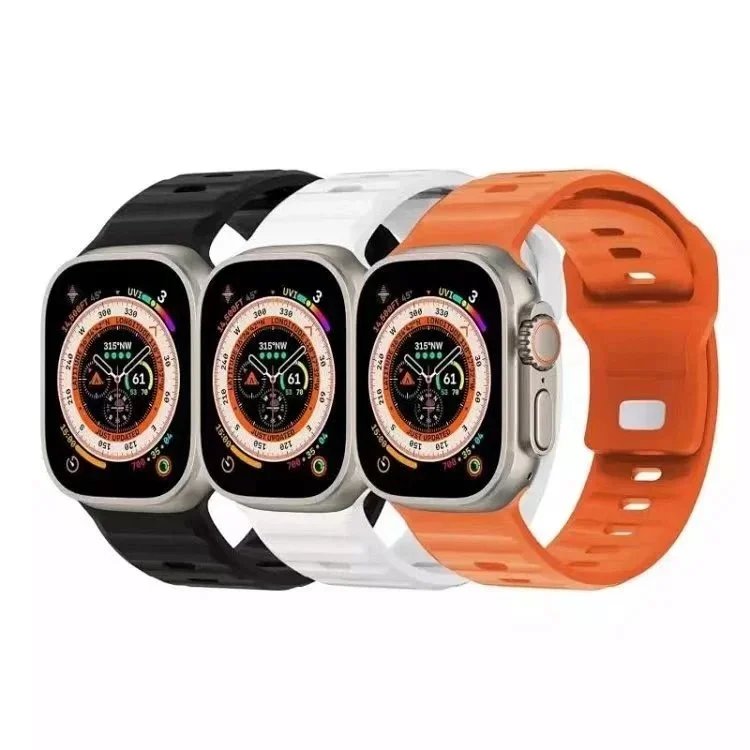
Apple Watch Ultra 2 with Orange Sport Loop Band - 134494
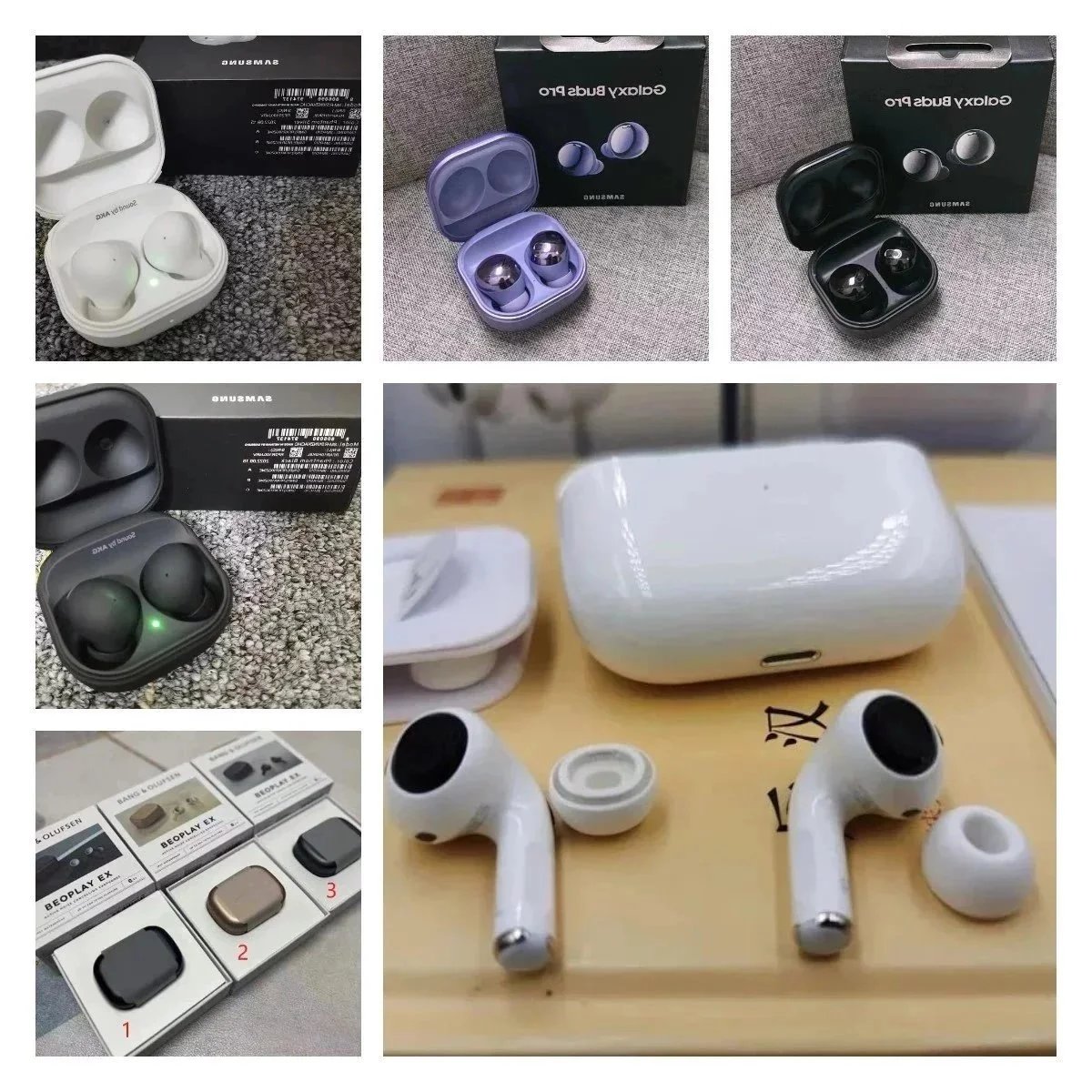
Samsung Galaxy Buds Pro Wireless Earbuds with Active Noise Cancellation - 131343
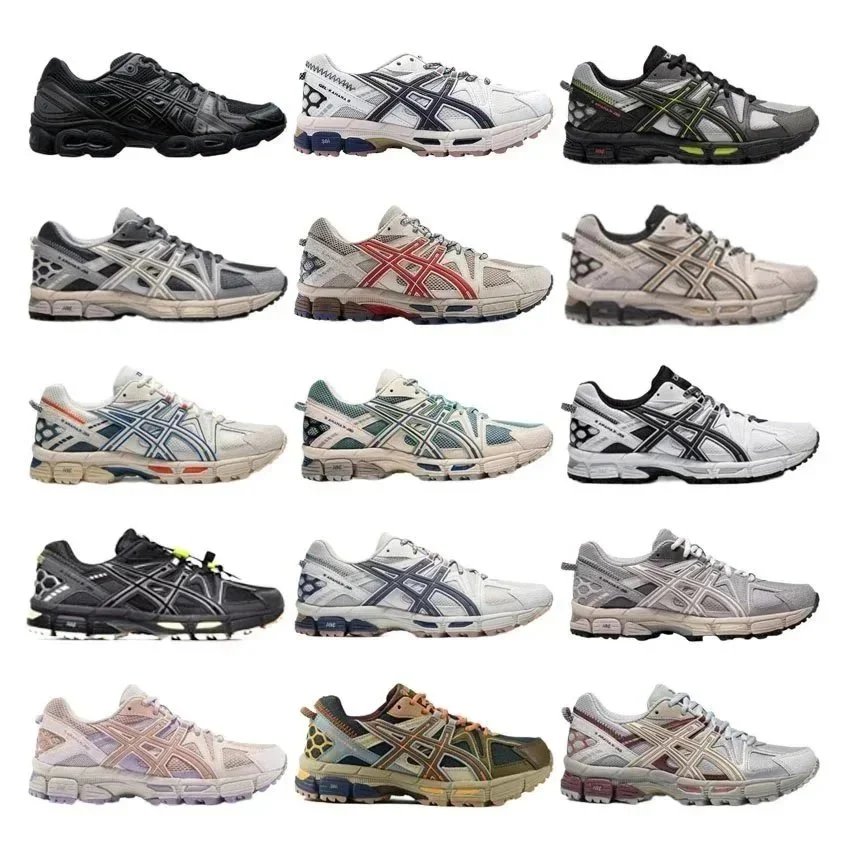
ASICS Gel-Nimbus 24 Running Shoes - White/Red Mesh Design - 133866
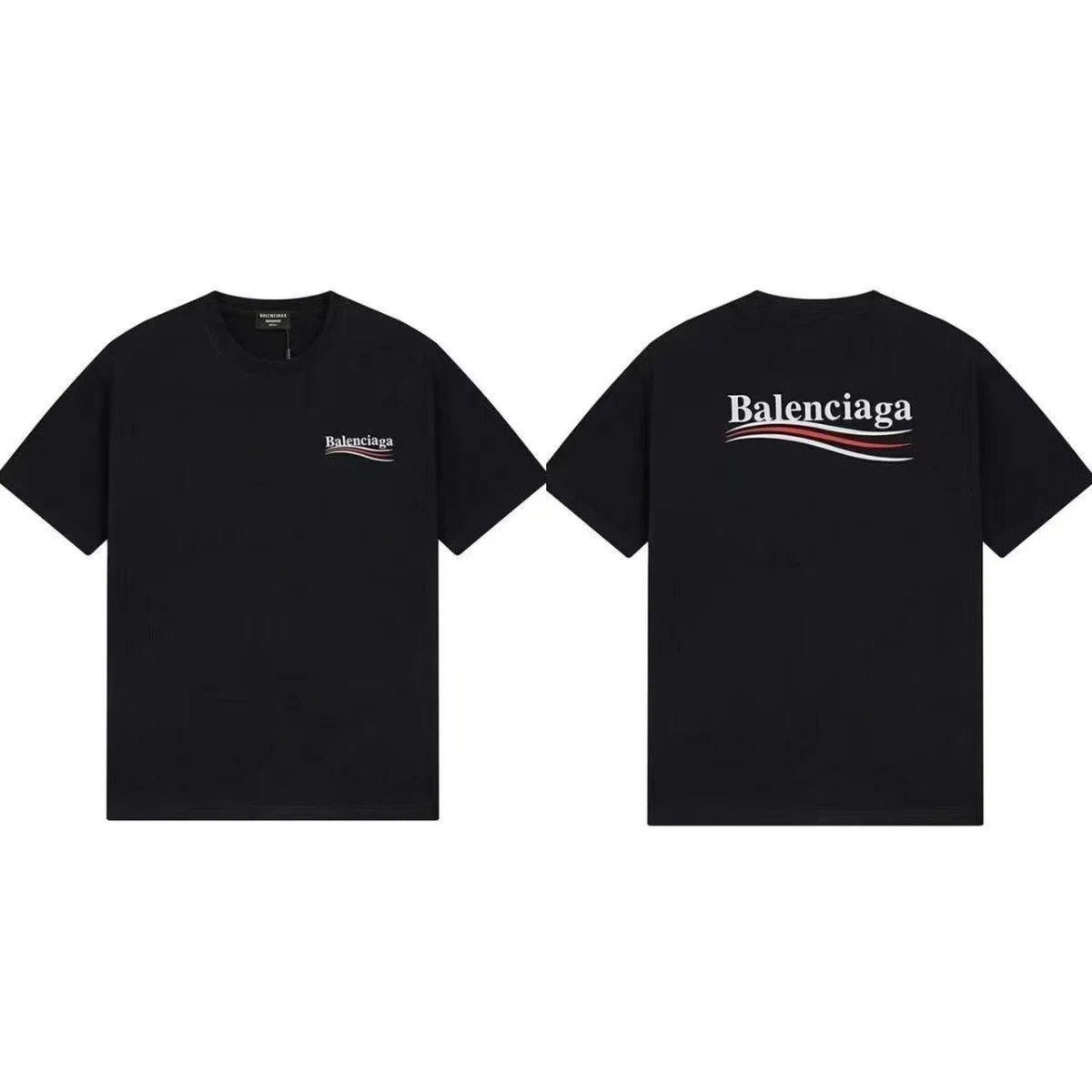
Balenciaga Logo Wave Print Black T-Shirt Front and Back Design - 134247

Chrome Hearts Gold Cross Pendant Necklace with Diamond-Embellished Stars - 136374
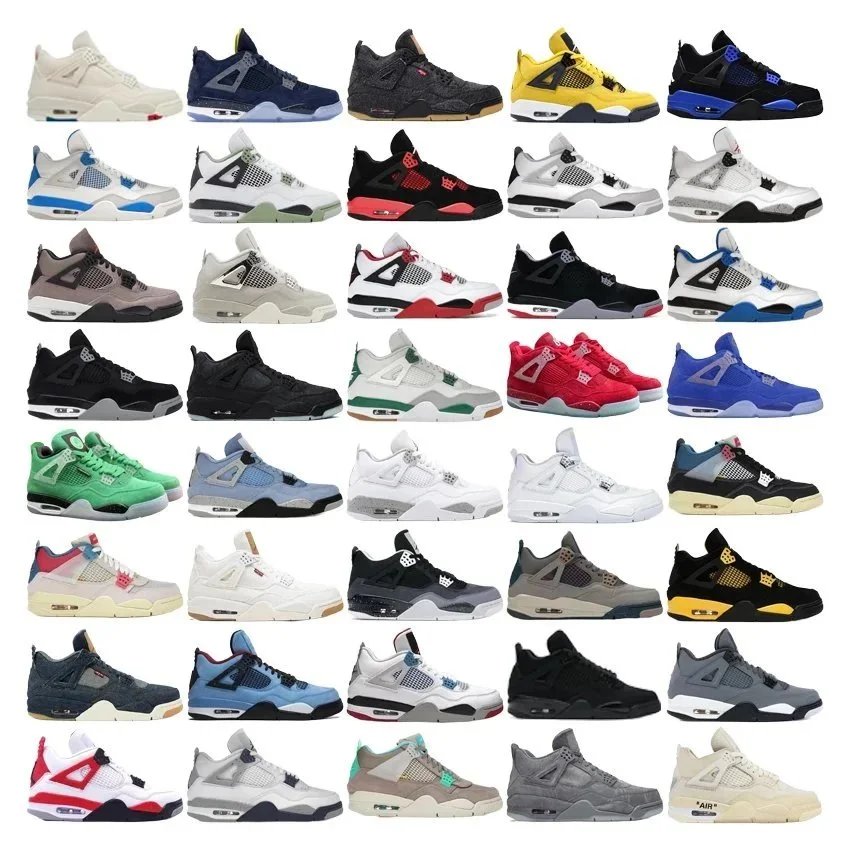
Nike Air Jordan 4 Retro OG White Cement Grey - 131731