How to Use GTBUY Spreadsheet in 2026 — Complete Walkthrough
This is a neutral, source-based guide to using the GTBUY spreadsheet and the GTBUY shopping agent. It aggregates publicly verifiable information rather than personal purchase experiences, and it does not include first-person order stories, invented prices, or self-assigned ratings. Where current numbers matter — fees, shipping rates, delivery windows — you should confirm them inside the GTBUY platform at the time you order, because agent pricing and carrier rates change frequently. Treat the steps below as a framework and verify the live figures yourself.
What is the GTBUY spreadsheet?
A "spreadsheet" in the China-shopping community is simply a shared list of product links — usually Taobao, Weidian, or 1688 listings — that people copy into a buying agent to place an order. GTBUY is one such agent. As community resources like Repsheet explain, a buying agent works as a middleman: it purchases the item from the Chinese marketplace on your behalf, receives it at a domestic warehouse, photographs it for a quality check, and then forwards it internationally once you pay shipping.
It is worth knowing that agents are largely interchangeable. Aggregators such as JadeShip list GTBUY alongside many alternatives — kakobuy, joyagoo, acbuy, mulebuy, allchinabuy, hoobuy, superbuy, cssbuy, oopbuy, loongbuy and others — and the same spreadsheet link can usually be pasted into any of them. The spreadsheet is not unique to GTBUY; only the agent you route it through differs.
Step-by-step: ordering with GTBUY
Step 1 — Open the spreadsheet. Find a community spreadsheet (often shared on subreddits such as r/FashionReps or r/RepBudgetSneakers) and pick the product link you want. Each row is just a marketplace URL plus notes; nothing in the sheet is exclusive to GTBUY.
Step 2 — Create a GTBUY account. Register on gtbuy.com. You'll need an email and, for shipping, a complete delivery address. Review the platform's stated terms before depositing funds.
Step 3 — Paste the link and submit the order. Drop the product URL into GTBUY's order box, select size/colour/variant, and confirm. The agent buys the item and routes it to its warehouse.
Step 4 — Review the QC photos. When the item arrives at the warehouse, GTBUY photographs it. Inspect these before paying for international shipping (see the checklist below).
Step 5 — Choose a shipping line and pay. Select a carrier, confirm the quoted weight-based cost, and pay. Because rates and line availability change, treat any rate you saw previously as out of date until you see the live quote.
Fees, coupons and hidden costs
Buying agents make money in two main ways: a service commission on the item price, and a margin or handling charge on shipping. Across the market, service fees generally sit in a 0–10% band — the comparison at HowToTao shows examples like Basetao at 0–5%, Cssbuy at roughly 3–6%, and several agents at a flat 10%. Some agents advertise a 0% commission and recover cost on shipping instead, so a low headline fee does not automatically mean a lower total.
Do not trust any fixed fee figure or coupon code copied from an old article — including this one's previous version. Check the current commission, payment-processing surcharge, repackaging/consolidation fees, and any promo codes directly in your GTBUY account at checkout. The only reliable number is the one the platform shows you on the day you pay.
Shipping cost and the 2025 customs change you must know
The single biggest shift affecting 2026 landed cost is the end of duty-free de minimis treatment in the United States. For decades, low-value parcels under roughly $800 entered duty-free — CBP noted it was processing over 4 million de minimis shipments per day (White House fact sheet). China-origin parcels lost that exemption effective May 2, 2025, and a later presidential action suspended de minimis for shipments from all countries effective August 29, 2025 — "regardless of value."
The scale here is large: roughly 1.36 billion parcels entered the US under de minimis in FY2024 at an average declared value around $45 (Red Stag). For agent shoppers this means any older guide promising "cheap duty-free landed cost" on sub-$800 parcels is now outdated and wrong. Budget for import duties and any carrier brokerage fees on top of the GTBUY shipping quote, and assume your total cost in 2026 is higher than pre-2025 figures suggested.
QC photos: what to check
Before you pay for international shipping, work through the QC images GTBUY provides:
- Correct variant — size, colour, and model match what you ordered.
- Logos and stitching — alignment, spelling, and consistency.
- Material and hardware — zippers, soles, seams, and fabric texture look as expected.
- Damage — no scuffs, glue marks, tears, or factory defects.
- Completeness — all parts, accessories, and packaging present.
If something looks wrong, raise it with GTBUY support before shipping — a return or re-order is far cheaper at the warehouse stage than after international transit.
GTBUY vs other agents
The most common mistake is comparing agents on commission alone. As NewBuyingAgent argues, the figure that matters is total landed cost: item price + service fee + shipping + duties + any handling. A 0% agent with expensive shipping lines can easily cost more than a 5% agent with cheaper freight and better consolidation. Because the spreadsheet works in almost any agent (per JadeShip), the practical test is to price the same cart in GTBUY and one or two alternatives and compare the final checkout total — not the advertised commission.
GTBUY reputation (third-party)
For independent feedback, consult GTBUY's public Trustpilot profile rather than any rating quoted in a promotional article: trustpilot.com/review/gtbuy.com. Open it to see the current TrustScore and review volume, and read a spread of both recent 5-star and recent 1-star reviews — the negative reviews tend to reveal the failure modes (shipping disputes, QC complaints, refund handling) that matter most before you commit money. This guide deliberately does not quote a score, because scores move over time and should be read live at the source.
Why people use agents (market context)
Cross-border e-commerce is enormous and growing: market.us values the sector at about USD 2.2 trillion in 2024 with projections toward USD 18.2 trillion by 2034. Agents exist because they give overseas buyers access to Chinese marketplaces that don't ship internationally, with consolidation and a QC step in between. Buyers should also be aware of the counterfeit dimension: the OECD's 2025 report put global trade in fake goods at USD 467 billion, and sneakers are a frequently counterfeited category (RunRepeat). Know what you are buying and the legal/customs risk in your country.
Pros and cons
Potential advantages: access to Taobao/Weidian/1688 listings, a QC photo step before shipping, parcel consolidation, and spreadsheet portability across agents.
Drawbacks and risks: shipping and duties now dominate landed cost since de minimis ended; fees and rates must be re-verified each order; QC catches obvious faults but not authenticity or durability; and reputation is mixed enough that the Trustpilot profile is worth reading in full before ordering.
FAQ
Will I pay import duties in 2026? For US-bound parcels, very likely yes. De minimis ended for China-origin goods in May 2025 and was suspended for all countries in August 2025, so low-value parcels are no longer duty-free. Budget for duties and any brokerage fees.
Is the GTBUY spreadsheet different from other agents' spreadsheets? No. A spreadsheet is just a list of marketplace links and can be used with most agents (JadeShip lists many interchangeable options). Only the agent you route it through differs.
How much does GTBUY charge? Verify it at checkout. The market service-fee band is roughly 0–10%, but the figure that matters is total landed cost, not commission.
How do I judge if GTBUY is trustworthy? Read its live Trustpilot profile, focusing on recent reviews at both ends of the scale, and start with a small order before committing to a large one.
Bottom line
GTBUY is one of many functionally similar China buying agents, and its spreadsheet is portable across the field. The right way to evaluate it is to price your actual cart end-to-end — item, fee, shipping, and 2026 duties — and compare that total against a couple of alternatives, while reading its Trustpilot reviews for real-world service signals. Don't rely on old "cheap, duty-free" framing: the 2025 customs changes mean your landed cost is higher than pre-2025 guides claimed, so verify every number before you pay.
Sources
- Repsheet — how a buying agent works
- JadeShip — supported/interchangeable agents
- GTBUY official site
- HowToTao — agent service-fee comparison
- White House — closing China de minimis exemptions
- White House — suspending de minimis for all countries
- Red Stag — de minimis parcel volume (CBP FY2024)
- NewBuyingAgent — compare on total landed cost
- Trustpilot — GTBUY reviews
- market.us — cross-border e-commerce market size
- OECD — global trade in fake goods (2025)
- RunRepeat — counterfeit sneaker statistics
Popular oopbuy Spreadsheet Products

Louis Vuitton Black Crewneck Sweater with Monogram Print 5232L - 135818

Louis Vuitton Black Crewneck Sweater with Monogram Print 5232L - 135731

Moncler 1952 Logo Embroidered Crewneck Sweater Cream - 134440

Moncler 7152M Cream Crewneck Sweatshirt with Triple Logo Print - 135810
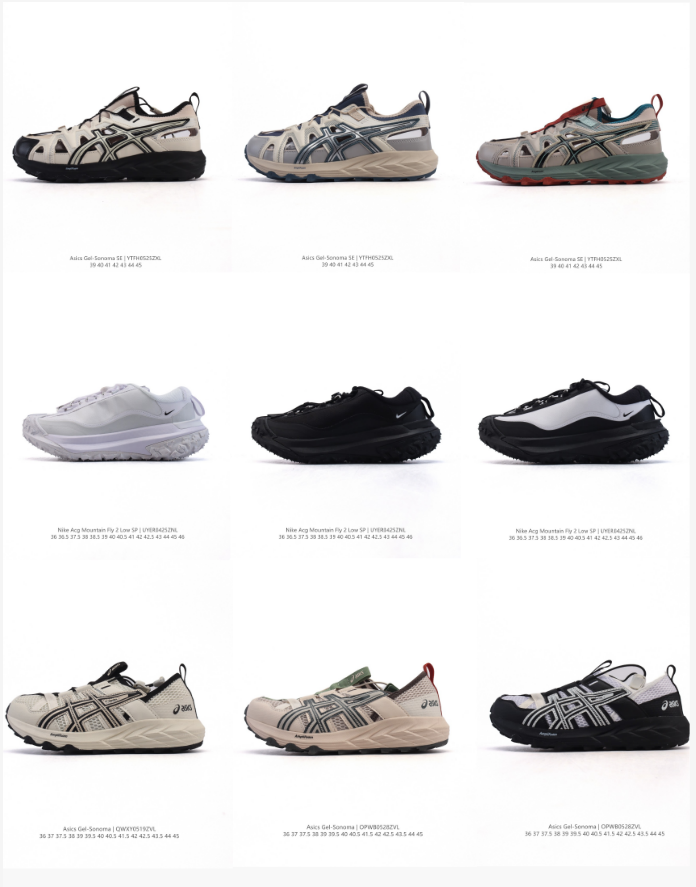
Asics Gel-Sonoma SE YTHH0525ZKL Beige-Black Mesh Trail Running Shoe - 134448
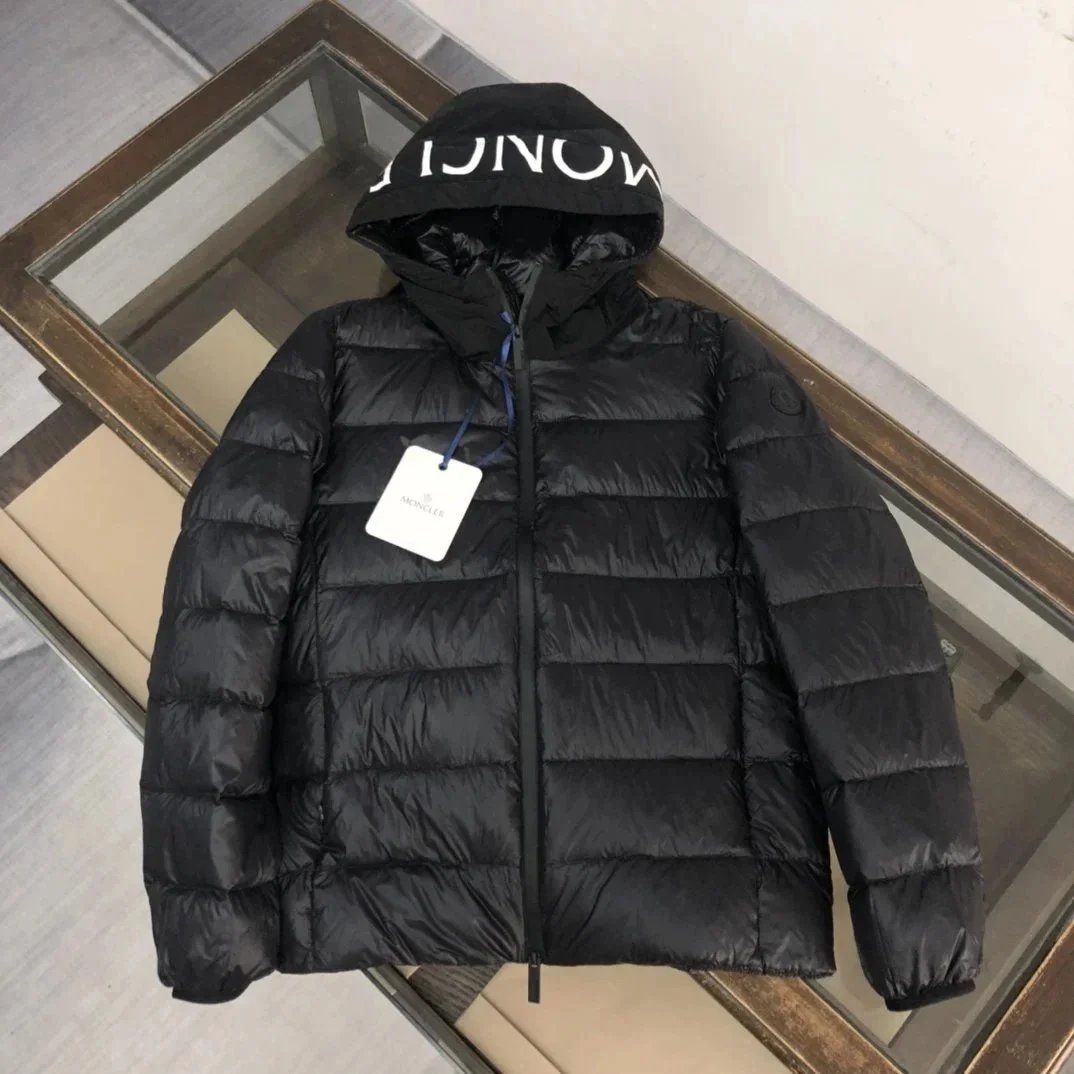
Moncler Genius 1952 Black Hooded Down Jacket with Logo Hood - 133141

Moncler World Boxing Championships 1952 Logo Sweatshirt White - 132529