How to Use Hacoo Spreadsheet in 2026 — Complete Walkthrough
This is a neutral, regularly updated walkthrough of how to use Hacoo as a China shopping agent in 2026. It aggregates verifiable public information rather than a personal shopping diary, so you will not find invented order numbers, self-assigned star ratings, or "guaranteed" shipping rates here. Wherever a fee, timeline, or coupon matters, the only reliable source is the figure shown inside your own Hacoo account at checkout — treat every number below as a framework for what to verify, not a promise.
What is the Hacoo spreadsheet?
A "Hacoo spreadsheet" is a community-maintained list of product links — usually pointing to Taobao, Weidian, or 1688 listings — that shoppers paste into the Hacoo agent to order items that are otherwise hard to buy from outside mainland China. The agent model itself is simple and well documented: a buying agent purchases the item from the Chinese marketplace on your behalf, receives it into a domestic warehouse, photographs it for quality control, and then forwards it internationally once you pay shipping (see Repsheet's agent tutorials).
One thing worth understanding up front: agents are largely interchangeable. Hacoo, Kakobuy, Joyagoo, ACBuy, Mulebuy, Superbuy, CSSBuy, Oopbuy and others all plug into the same upstream marketplaces, and a spreadsheet link will resolve on most of them. Aggregators such as JadeShip list these agents side by side precisely because the underlying products are identical — what differs is the fee structure, the shipping lines offered, and the support experience.
Step-by-step: how to use Hacoo
- Create an account. Register on Hacoo's site and confirm your email. Set your destination country early, because it affects which shipping lines are shown later.
- Find or build a spreadsheet. Collect the marketplace links you want. A spreadsheet is just a convenient container of URLs — there is nothing Hacoo-specific about the links themselves.
- Paste a link into the agent. Drop the product URL into Hacoo's order box. The platform resolves the listing and shows the variants (size, colour) pulled from the original seller.
- Place the purchase order. Pay the item cost plus the platform's service fee. Confirm the exact fee shown at this step rather than relying on any figure quoted in a guide.
- Wait for warehouse arrival and QC. Once the seller ships to Hacoo's warehouse, the platform logs the parcel and provides quality-control photos.
- Review QC photos. Inspect before you commit to international shipping (checklist below).
- Submit the parcel and pay shipping. Choose a shipping line, see the quoted weight and cost, and pay. The displayed quote is the number that counts.
Fees, coupons and hidden costs
Hacoo, like most agents, layers several costs: the item price, a service/commission fee, optional repacking or add-on services, and the international shipping charge. For context, published surveys of the agent market put commission rates broadly in the 0–10% range, with some agents at 0–5% and others at a flat 10% (HowToTao's fee comparison). Use that band as a sanity check: if a quoted fee looks far outside it, re-read the breakdown.
This guide will not list a coupon code or a referral percentage as "verified," because those promotions change constantly and are account-specific. If Hacoo is running a first-order discount or warehouse-storage allowance, it will appear in your dashboard — that is the only place to trust it.
Shipping cost & the 2025 customs change you must know
The single biggest change to budget for in 2026 is the end of duty-free low-value imports into the United States. The de minimis exemption that previously let parcels under US$800 enter duty-free was first closed for China- and Hong Kong-origin goods effective 2 May 2025 (White House fact sheet), and then suspended for shipments from all countries effective 29 August 2025 (White House presidential action). To grasp the scale of what changed: U.S. Customs had been processing on the order of 1.36 billion such parcels — roughly four million a day — in FY2024 (Red Stag analysis of CBP data).
The practical takeaway for a Hacoo shipment in 2026: any older guide that implies a sub-$800 haul reaches a U.S. doorstep duty-free is now outdated. Budget for import duties and brokerage on top of the shipping quote, and check your own country's current rules — the exemption's removal is U.S.-specific, but customs treatment everywhere is in flux.
QC photos: what to check
Hacoo's QC photos are your main defence before paying to ship. Work through a neutral checklist:
- Correct item, colour, and size variant versus what you ordered.
- Stitching, glue lines, and seams — look for gaps or overflow.
- Logos, fonts, and tags for alignment and spelling.
- Hardware (zippers, buckles) operating smoothly.
- Visible defects: stains, scuffs, loose threads.
- For shoes, whether the box is included or removed (removal lowers shipping weight).
If something looks wrong, raise it before submitting the parcel for shipping — disputes are far easier to resolve while the item is still in the warehouse.
Hacoo vs other agents
Because the products are identical across agents, the only meaningful comparison is total landed cost — item + service fee + shipping + duties — not the headline commission percentage (a point made well in NewBuyingAgent's scoring-based review). A 0% commission agent can easily cost more once a pricier shipping line and slower consolidation are factored in. Price the same basket on Hacoo and one or two alternatives from the JadeShip list, all the way to your door, before deciding.
Hacoo reputation (third-party)
For independent feedback, consult Hacoo's Trustpilot profile rather than any rating invented in a blog post: trustpilot.com/review/www.hacoo.app. Open it to see the current TrustScore and review volume, and read both the most recent 5-star and 1-star reviews — recent reviews reveal current shipping reliability and refund handling far better than an aggregate number. Recurring themes across third-party reviews of agents in this space tend to involve refund-to-wallet practices and support responsiveness, so weigh those when they appear.
Why people use agents (market context)
Demand for agents rides on the broader cross-border e-commerce boom, valued around US$2.2 trillion in 2024 and projected to grow substantially through the next decade (market.us). A separate and important caveat: the OECD estimated global trade in counterfeit goods reached US$467 billion in its 2025 report (OECD), with footwear a frequently flagged category (RunRepeat). Agents move genuine and replica goods alike; knowing what you are actually buying — and the legal risk of importing counterfeits — is on you.
Pros and cons
Pros: access to Chinese marketplaces from abroad, consolidated shipping across multiple sellers, QC photos before international dispatch, and a competitive fee market that keeps commissions in check.
Cons: total cost is hard to predict until checkout, the 2025 end of U.S. de minimis adds duties to previously cheap parcels, refund-to-wallet practices can frustrate some users, and quality varies seller by seller regardless of which agent you use.
FAQ
Will I pay import duties in 2026? For shipments to the United States, very likely yes — the de minimis exemption ended in 2025, so even low-value parcels can now incur duties and fees. Check your destination country's current threshold before ordering.
Is the Hacoo spreadsheet different from other agents' spreadsheets? No. The spreadsheet is just a list of marketplace links, and the same links work across most agents because they point to the same Taobao/Weidian/1688 listings.
How accurate are the shipping cost estimates I see online? Treat them as illustrative only. The binding number is the quote Hacoo shows for your specific parcel weight, dimensions, and chosen line at checkout.
How do I judge whether Hacoo is reliable? Read its Trustpilot profile, focusing on recent reviews, and compare total landed cost against an alternative agent before committing.
Bottom line
Hacoo is a functional China shopping agent that does what the category does: buy, warehouse, QC, and forward your items. It is not meaningfully unique versus its peers, so choose it on total landed cost and current third-party reputation rather than on any single fee or marketing claim. The most important planning step for 2026 is to budget for import duties — the era of duty-free sub-$800 U.S. parcels is over. Verify every fee and shipping quote inside your own account, and read recent Trustpilot reviews before you place a large order.
Sources
- Repsheet — how a buying agent works
- JadeShip — supported agent list
- HowToTao — agent service-fee comparison
- White House — closing de minimis for China-origin goods (May 2, 2025)
- White House — suspending de minimis for all countries (Aug 29, 2025)
- Red Stag — de minimis parcel volume (CBP FY2024)
- NewBuyingAgent — landed-cost scoring review
- market.us — cross-border e-commerce market size
- OECD — global trade in fake goods (2025)
- RunRepeat — counterfeit footwear statistics
- Trustpilot — Hacoo profile
Popular oopbuy Spreadsheet Products

Rolex Submariner Blue Dial Steel Watch 126619LB - 133098
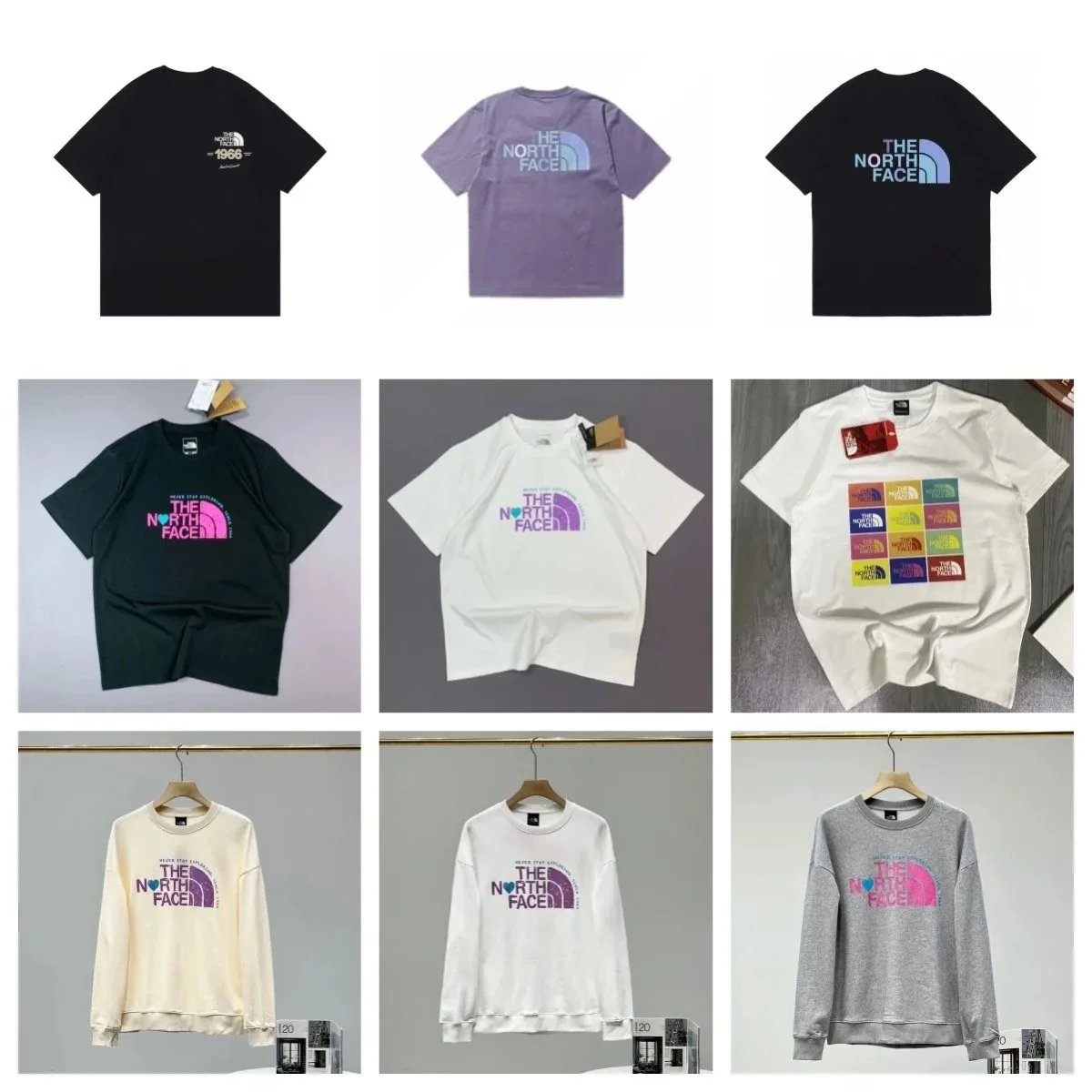
The North Face Half Dome Logo T-Shirt - Black with 1966 Print - 136237

Louis Vuitton Monogram Brown Mini Satchel Bag with Gold Clasp - 133207
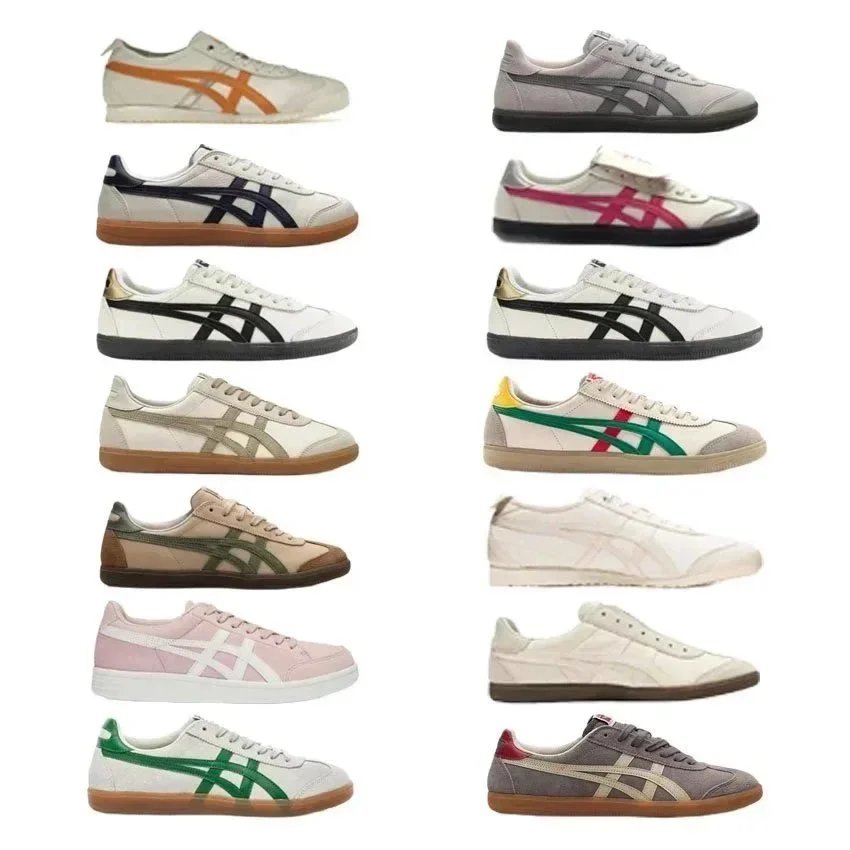
Onitsuka Tiger Mexico 66 Classic Running Shoe - Orange White - 132434
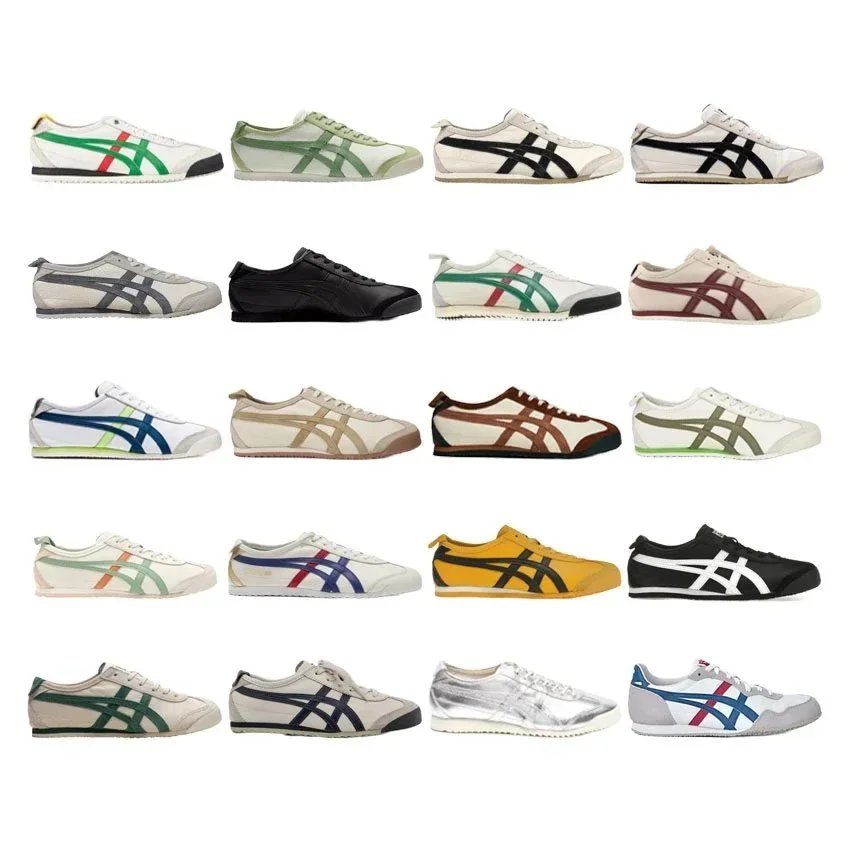
Onitsuka Tiger Mexico 66 Classic Running Shoe - White Green Black - 134798
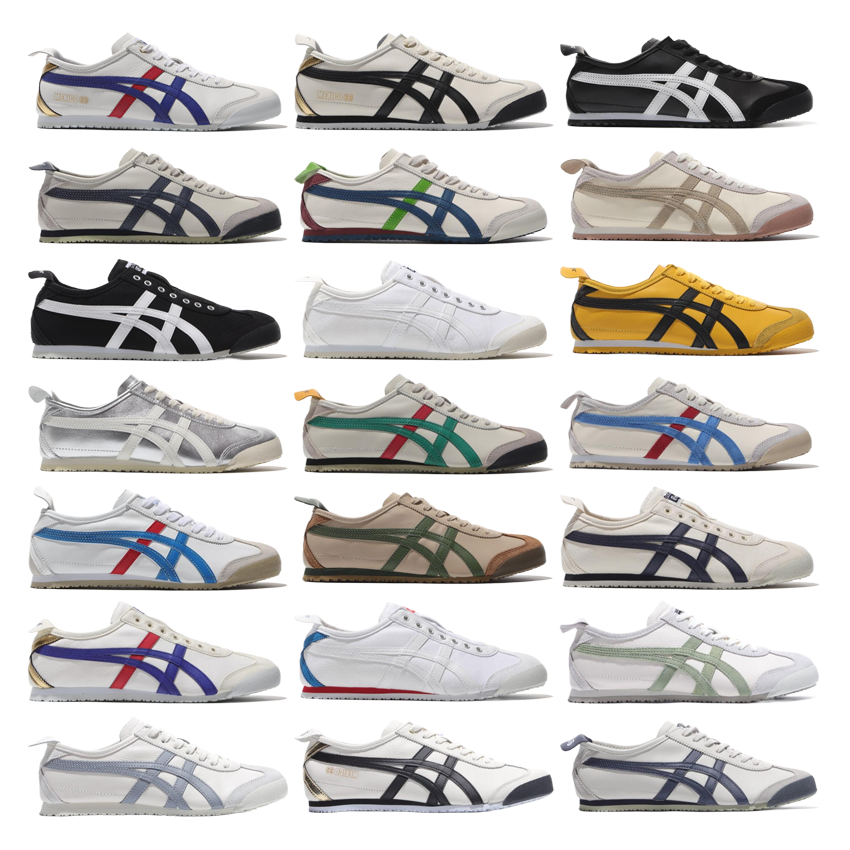
Onitsuka Tiger Mexico 66 Classic Running Shoe - White/Black Stripes - 134859
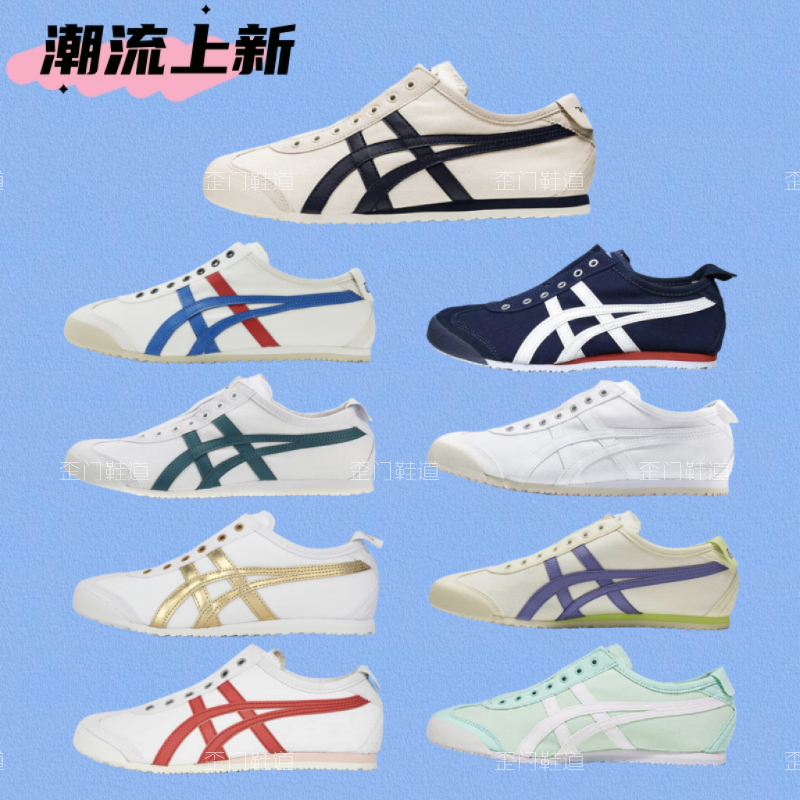
Onitsuka Tiger Mexico 66 Classic White Navy Striped Sneaker - 131424